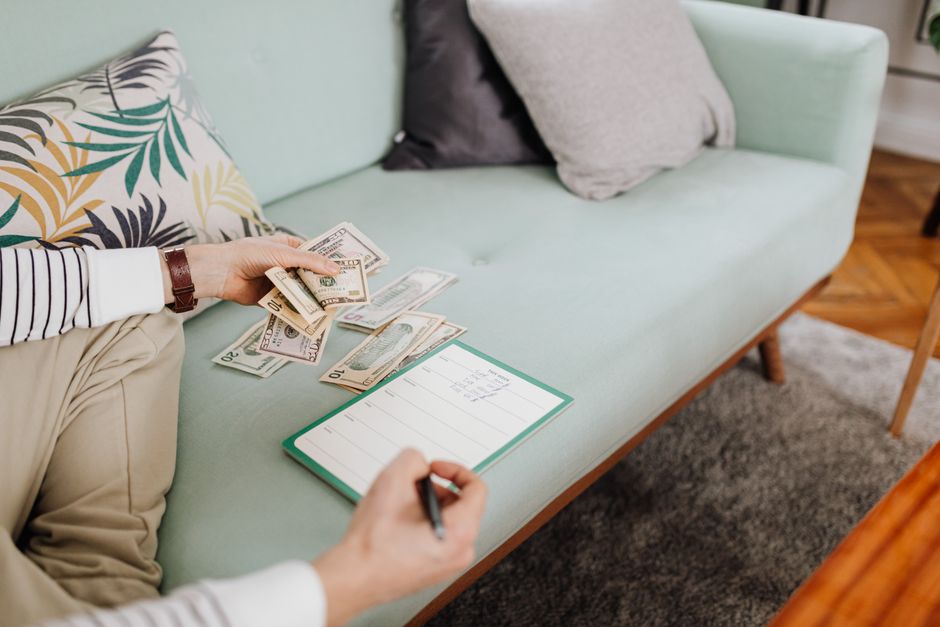
Most people think cutting expenses means giving up takeout, Netflix, or your morning latte. That’s the old way. Here’s the thing: I’ve been running a personal finance experiment for three years, tracking every euro that leaves my account. I found that the biggest leaks aren’t the obvious ones. They’re the subscriptions you forgot about, the utility plan you never changed, and the grocery habits you don’t question. I cut my monthly spending by 22% without canceling a single thing I actually enjoy. Here’s exactly how.
1. The “Subscription Autopsy” — Kill the Ones You Forgot
I pulled my bank statements from the last six months. Found $47/month in subscriptions I hadn’t touched in over a year. A fitness app I used twice. A cloud storage plan I didn’t need. A magazine subscription from a trial I never canceled.
Here’s the fix: Use a service like Trim (free) or Truebill to scan your linked accounts. They flag recurring charges. Cancel everything you haven’t used in 90 days. If you’re unsure, put a reminder in your calendar to check in three months. I saved $564/year this way.
One trap: some subscriptions offer a “pause” instead of cancel. Don’t fall for it. Pausing means you’ll forget again. Cancel outright. You can always resubscribe.
2. The “Utility Audit” Nobody Talks About
I called my electricity provider and asked one question: “What’s the cheapest plan you offer for my usage?” They switched me to a time-of-use plan. Now I run my dishwasher and laundry after 9 PM. My bill dropped $18/month. That’s $216/year for a 5-minute phone call.
Do the same for internet and insurance. I switched my car insurance from Allstate to GEICO and saved $32/month. Same coverage. Took 20 minutes online.
What to ask your utility provider
- “Are there any discounts for autopay or paperless billing?”
- “Do you have a budget billing plan to smooth out peaks?”
- “What’s your cheapest plan for my specific usage pattern?”
Most people never ask. The companies don’t volunteer the info. You have to push.
3. The “Grocery Swap” That Saves $40/Week
I used to shop at a standard supermarket. Then I started going to Aldi and Lidl. Same staples — milk, eggs, bread, cheese — cost about 30% less. I buy my snacks there too. Sensible Portions veggie straws at Aldi cost $1.89 versus $3.49 at a regular store.
But here’s the unconventional part: I never buy fresh produce at Aldi. Their produce spoils faster. I go to a local farmer’s market once a week for that. The net result: my grocery bill dropped from $120/week to $80/week. $160/month saved.
The mistake people make is thinking they have to switch everything at once. Start with one category — canned goods, dairy, or snacks. Test it for two weeks. If you hate it, switch back. But I bet you won’t.
4. The “Phone Plan” Shakeup
I was paying $85/month for a major carrier. I switched to Mint Mobile (uses T-Mobile’s network). $30/month for 10GB of data. Same coverage where I live. $660/year saved.
If you’re in Europe, look at Lebara or Vodafone’s budget brand. In the US, Visible (Verizon’s network) or US Mobile are solid options. The key: check coverage maps for your specific address. Don’t trust the “nationwide coverage” claims blindly. Ask a neighbor who uses the budget carrier.
One catch: you usually have to buy a year upfront to get the best price. That’s $360 for the year. If you can front that, the savings are massive.
5. The “Spending Freeze” That Actually Works
I did a 30-day spending freeze on non-essentials. No restaurants. No new clothes. No takeout. No streaming rentals. Nothing.
Here’s what I learned: the first week is brutal. By week three, I didn’t miss it. I realized I was spending money out of boredom, not need. After the freeze, I didn’t go back to my old habits. I now allow myself two restaurant meals per month. That’s it. I cut my restaurant spending from $200/month to $60/month.
How to run your own freeze
- Pick a start date. Tell a friend. Make it public.
- Unsubscribe from marketing emails. Remove saved payment methods from your browser.
- Keep a list of “things I want to buy after the freeze.” Most of them you won’t actually want later.
This isn’t a permanent lifestyle. It’s a reset. You’ll see which spending habits are automatic and which are intentional.
6. The “Library Card” Hack You’re Ignoring
I got a free library card from my city. Through the Libby app, I borrowed audiobooks and ebooks. No more Audible subscription ($14.95/month). I also borrowed movies on DVD and streamed them for free. No more Netflix for a while (though I eventually resubscribed).
But here’s the real hack: many libraries offer free museum passes, tool libraries, and even seed libraries. I borrowed a Ryobi power washer from my local tool library instead of buying one. Saved $150.
The skeptic in you says “but the selection is limited.” True. But for the stuff I read and watch, it’s been more than enough. And if they don’t have a specific book, I put a hold on it. Usually arrives within two weeks.
7. The “Grocery Delivery” Paradox
This sounds backwards, but hear me out. I started using Walmart+ ($12.95/month) for grocery delivery. The fee seems like an extra expense. But here’s what actually happened: I stopped impulse-buying. In a store, I’d grab a bag of chips, a drink, a random snack. Online, I only bought what I had on my list. My total weekly spend dropped from $120 to $95. Even with the $12.95 fee, I saved $12/week. $48/month net savings.
The trick: never use the “order again” button. Always build a fresh cart from your list. And don’t browse the app. Go straight to your list items.
| Method | Monthly Savings | Effort Level |
|---|---|---|
| Subscription audit | $47 | Low (2 hours once) |
| Utility plan switch | $18 | Low (1 phone call) |
| Aldi/Lidl grocery swap | $160 | Medium (new store) |
| Mint Mobile phone plan | $55 | Medium (port number) |
| 30-day spending freeze | $140 | High (willpower) |
| Library card + Libby | $15 | Low (sign up once) |
| Walmart+ grocery delivery | $48 | Low (app setup) |
8. The “DIY Coffee” That Tastes Better
I was spending $4.50 per latte, five days a week. $90/month. I bought a Breville Barista Express ($700) three years ago. It paid for itself in eight months. Now I make espresso at home that’s better than most coffee shops. My cost per drink: about $0.75.
But I don’t preach this to everyone. If you don’t care about espresso, get a French press ($15) or a Chemex ($35). The savings are still huge. A bag of good Stumptown beans ($16) makes about 20 cups. That’s $0.80 per cup versus $4.50.
The mistake: people buy a fancy machine, use it for two weeks, then go back to Starbucks. Don’t buy the machine unless you’re willing to learn the process. Start with a pour-over setup. If you use it daily for a month, then upgrade.
9. The “No-Buy” Challenge for One Category
Pick one spending category — clothes, takeout, gadgets — and commit to not buying anything new in that category for three months. I did this with clothes. I didn’t buy a single item for 90 days. I realized I had enough. After the challenge, I set a rule: one new piece in, one old piece out. My clothing spending dropped from $100/month to $30/month.
This works because it’s focused. A full no-buy is too hard for most people. A targeted one is manageable. You’ll feel the deprivation less because you’re only restricting one area.
The single most important takeaway: the best way to cut expenses without feeling deprived is to target the leaks you don’t notice — forgotten subscriptions, lazy utility plans, and automatic habits — not the small joys you actually value.
Disclaimer: The information on this page is for educational purposes only and does not constitute financial advice. Rates, terms, and eligibility requirements are subject to change. Always compare multiple lenders and consult a licensed financial advisor before borrowing.