Feeling overwhelmed by soaring household bills? You’re not alone. In 2025, energy costs—whether electricity, gas, or water—are hitting families hard across the US, UK, Canada, and beyond. But here’s the good news: you can save energy and reduce costs without turning your home upside down or sacrificing comfort.
We’re talking real, practical tips that actually work—no fluff, no gimmicks. From simple habits you can start tonight, to smart upgrades that pay for themselves fast, this guide breaks down how to ease the burden of household bills on your budget. By the end, you’ll have a clear, personalized plan to slash your energy use and keep more cash where it belongs—your wallet.
Ready to stop overpaying and start saving? Let’s jump in.
Understand Your Bills and Usage First
Before you can save energy and cut costs, it’s crucial to understand exactly what you’re paying for—and where your home uses the most energy. Start by carefully reading your electricity, gas, and water bills. Look beyond the total amount due; focus on how much you’re using each month and spot any unusual spikes. Many bills include usage history charts or comparisons to previous periods—that’s your first clue for where to dig deeper.
Find Your Biggest Energy Guzzlers
Knowing which household systems use the most energy is key to targeting savings. On average:
- Heating accounts for about 45% of your utility bill in colder months.
- Cooling uses around 15–20%, especially in warmer climates.
- Water heating comes in at roughly 18%.
Other appliances and lighting make up the rest, but these big three often offer the best chances to cut costs.
Use Free Home Energy Audits and Tools
Many utility companies and government websites offer free home energy audits or online calculators that quickly estimate your energy use and recommend improvements. For example:
- The U.S. Department of Energy’s Home Energy Saver tool
- Local utility websites often provide audit requests or online checklists
- Energy Star’s online calculator helps check appliance efficiency and payback times
Do a Simple DIY Energy Audit in One Weekend
You don’t have to wait for a professional to get started. Here’s a quick way to audit your home on your own:
- Check insulation: Look at your attic, walls, and crawlspaces for gaps or thin areas.
- Inspect windows and doors: Feel for drafts and check seals.
- Look at appliances: Note how old they are and if they have Energy Star labels.
- Track your usage: Write down how often you use large appliances and heating/cooling systems over a few days.
- Identify vampire power drains: Unplug devices not in use, or use a smart power strip to monitor.
This simple weekend project gives you a clearer picture of your energy patterns and sets the stage for targeted savings. Understanding your bills and usage habits first means every dollar spent on upgrades or changes will count.
No-Cost Habits That Save Hundreds Every Year
Sometimes, the simplest changes can slash your bills without costing a dime. Here’s how to save energy and cut costs with smart habits:
Heating & Cooling Tweaks
- Set thermostat rules: Keep your heat around 68°F (20°C) in winter and AC near 78°F (26°C) in summer to reduce heating and cooling costs.
- Use ceiling fans: Running fans on low helps circulate air, so you can feel cooler without lowering the thermostat.
- Close doors and vents: Keep heat or cool air where you need it by shutting doors to unused rooms.
Lighting Habits
- Turn off lights when not needed: It sounds simple, but it works.
- Maximise natural light: Open curtains and blinds during the day instead of switching on lamps.
- Use task lighting: Focus light where you’re working instead of lighting the whole room.
Stop Vampire Power Drain
- Many devices suck power even when off or in standby mode.
- Unplug items like phone chargers, TVs, and gaming consoles when not in use, or use smart power strips to cut standby power.
Water-Saving Habits
- Fix drips: A leaking tap can waste hundreds of litres a year.
- Turn off water when brushing teeth or washing dishes.
- Take shorter showers and avoid letting water run unnecessarily.
Laundry & Dishwashing Tips
- Wash full loads only: Running half-empty machines wastes water and energy.
- Use cold water cycles when possible to save on heating water costs.
- Air dry clothes and dishes instead of using machines when you can.
These no-cost changes add up fast. By changing your daily routine, you can lower electricity bills fast and reduce your gas bill this winter without spending a penny.
Low-Cost Upgrades Under $100 That Pay Back in Less Than 12 Months
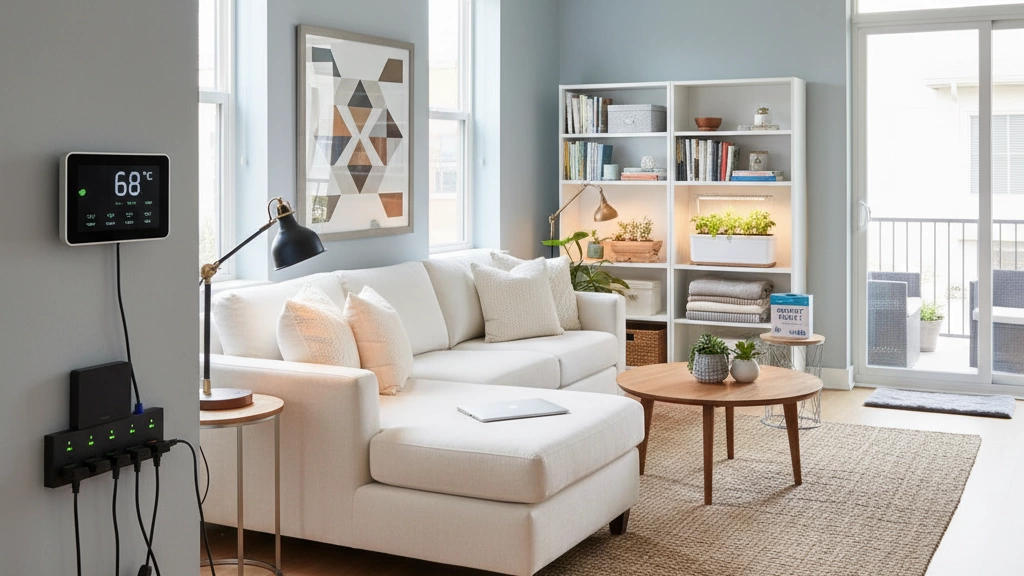
You don’t need to spend a fortune to cut your household bills. Here are some easy, low-cost upgrades under $100 that can save you money fast and pay back within a year.
LED Bulbs Complete Swap Guide
Switch your old bulbs to LED — they use up to 80% less electricity and last years longer. Replace every bulb in your home with LEDs, and you’ll see lower electricity bills pretty quickly.
Smart Power Strips
These automatically cut power to devices when they’re not in use, stopping the vampire or standby power drain that sneaks into your bill. They’re cheap and easy to install behind TVs, computers, and kitchen appliances.
Weatherstripping, Door Sweeps & Outlet Gaskets
Seal up drafts around windows, doors, and electrical outlets with weatherstripping or door sweeps. These small fixes keep heat in during winter and cool air in during summer, lowering your heating and cooling costs.
Low-Flow Showerheads and Faucet Aerators
Cut your water use without sacrificing pressure. Low-flow showerheads and aerators reduce your water bill by limiting flow rates — an easy upgrade for bathroom and kitchen taps.
Pipe Insulation & Water Heater Blanket
Wrap your hot water pipes and water heater with insulation. It helps keep water hot longer, so your heater doesn’t work as hard, saving both gas or electricity and lowering your bills.
Smart Thermostats on a Budget
You don’t need a top-of-the-line model. Budget smart thermostats learn your schedule or let you control temperatures remotely, helping reduce heating and cooling costs by a noticeable margin.
All of these can be found at local hardware stores or online. With under $100 in upgrades, you’ll slash your energy use and see those savings roll in well before 12 months are up.
Bigger Investments That Slash Bills 20–50%

If you’re ready to make a bigger dent in your energy bills, investing in key home upgrades can cut your costs by 20–50%. Here’s where your money works the hardest:
Insulation and Weatherproofing
Proper attic and wall insulation is top priority. Insulation’s R-value varies by climate, so check what suits your zone to maximize savings. The better your home stays sealed, the less you spend on heating and cooling.
Upgrade Old Appliances
Old fridges, washers, and water heaters are energy hogs. Switching to Energy Star-certified models can save hundreds yearly. Use an Energy Star payback calculator online to see how fast you’ll recoup your investment.
Duct Sealing and HVAC Tune-Ups
Leaky ducts waste energy; sealing them and keeping your HVAC system tuned can lower your gas and electricity bills. A few hundred spent here pays off with better efficiency and comfort.
Heat-Pump Water Heaters & Mini-Splits
Heat-pump water heaters and mini-split AC units are game changers, especially with 2025 rebates and tax credits available. They use far less energy than traditional systems and cool or heat your space precisely.
Solar Water Heating and Photovoltaics
Going solar can slash energy bills long term. Solar water heating systems are a straightforward way to cut water heating costs. Photovoltaic panels convert sunlight into electricity and may bring additional incentives, depending on where you live.
Making these bigger moves isn’t cheap upfront but the return on investment often beats small savings methods. Consider your local climate, energy prices, and available incentives to pick what makes the most sense for your home and budget.
The Power of Smart Home Technology in 2025

Smart home tech is a game-changer for saving energy and lowering bills fast. Here’s how it works and what’s worth investing in right now.
Best Smart Thermostats: Learning vs Programmable
Smart thermostats are a top pick because they adjust heating and cooling automatically.
- Learning models adapt to your schedule by tracking your habits and fine-tuning temps without you lifting a finger.
- Programmable ones need you to set schedules but still help avoid wasting energy when no one’s home.
Both cut your heating and cooling use—your biggest energy guzzlers—and that means big savings on your gas and electricity bills.
Smart Plugs & Whole-Home Energy Monitors
Smart plugs let you control devices remotely, so you can stop vampire power drain from things left in standby. Plug in lamps, TVs, or chargers and switch them off via phone.
Energy monitors track your overall home energy use in real time, helping you spot where to cut back. Seeing exactly when and what uses the most electricity makes it easier to change habits.
App-Controlled Lighting and Appliances
Smart lighting means no more wasted light—apps let you turn off or dim lights from anywhere. Use motion sensors or timers for rooms you forget often.
Some appliances now come with app controls too, so you can run laundry or dishwashers at off-peak times, saving money if you’re on time-of-use electricity rates.
Voice-Assistant Routines That Save Energy Automatically
If you have Alexa, Google Assistant, or Siri, you can set up routines that turn off your lights, adjust thermostats, or power down devices when you leave home or at bedtime. These small automated actions stop energy waste without needing to think about it daily.
In short, smart home technology in 2025 comes with easy tools to slash your energy use, making your home more efficient and your household bills lighter—perfect for anyone looking to reduce costs without hassle.
Utility-Specific Programs & Incentives You’re Probably Missing
When it comes to cutting your energy bills, utility companies offer more than just basic energy supply. Many have programs and incentives designed to help you save money—often without much effort.
Time-of-Use Rates: Shift to Save
Many utilities now use time-of-use electricity rates, which means electricity costs less during off-peak hours (usually nights and weekends). By running your dishwasher, laundry, or charging an electric vehicle during these cheaper times, you can lower your electricity bill fast.
Level Billing and Budget Plans
If big spikes in your bills stress you out, check if your utility offers level billing or budget plans. These spread your costs evenly over 12 months, so you avoid high winter heating bills or summer cooling surges.
Low-Income Assistance Programs
If affordability is a concern, utilities often have low-income assistance programs. In the US, there’s LIHEAP (Low Income Home Energy Assistance Program), and in the UK, look for the Warm Home Discount. These programs help reduce your gas or electricity bills for qualifying households.
Current Rebates and Tax Credits for 2025
Don’t miss out on federal, provincial, or state rebates and tax credits updated for 2025. Many cover energy-efficient appliances payback, smart thermostats, insulation upgrades, heat pumps, and even solar systems. Check your local listings or government websites for easy-to-apply offers that can bring down the cost of upgrades significantly.
Quick Tip: Visit your utility’s website or call their customer service to find programs you qualify for. You might be surprised how many savings are waiting just by asking.
Seasonal Strategies to Save Energy and Cut Bills
Adjusting how you use energy with the seasons can really lower your bills. Here’s how to crush winter and summer costs without burning extra cash.
Winter Bill Crushers
- Space heaters vs central heat: Use space heaters in the rooms you spend most time in instead of heating the whole house. This reduces your gas and electricity bills, especially if your central heating is old or inefficient.
- Humidifiers: Adding moisture to dry winter air helps you feel warmer at lower thermostat settings. This means you can turn down the heat and save on your gas bill during winter.
- Window film: Applying insulating window film is a cheap way to block drafts and keep heat inside, reducing the need for long heating cycles.
Summer Cooling Hacks
- Blockout curtains: These are great for keeping the sun’s heat out, cutting the need for air conditioning or fans.
- Attic fans: Hot air trapped in the attic drives up cooling costs. A well-placed attic fan helps vent this heat away, lowering your electricity use.
- AC maintenance: Cleaning filters and scheduling tune-ups keeps your air conditioner running efficiently, reducing energy waste and lowering summer bills.
Use these seasonal tricks alongside your other home energy-saving tips to cut costs year-round.
Long-Term Lifestyle Changes for Maximum Savings
If you want to really cut energy costs over time, making bigger lifestyle shifts is key. Here are some smart moves that pay off year after year:
-
Going All-Electric vs Staying with Gas
Switching your home appliances and heating systems from gas to electricity (especially if your power comes from renewables) can lower bills and shrink your carbon footprint. All-electric homes are easier to manage with smart tech and take advantage of cleaner energy sources as they grow.
-
Off-Peak EV Charging
If you have or plan to get an electric vehicle (EV), charging it during off-peak hours can save a lot. Many utility companies offer cheaper rates overnight or during low-demand times. Setting your charger on a timer or using a smart charger app helps you tap into these lower electricity costs.
-
Growing Your Own Food & Rainwater Collection
Cut your grocery and water bills by growing veggies, herbs, or fruits at home. Even a small garden or balcony pots make a difference. Collecting rainwater for gardening or outdoor cleaning can lower your water usage—and your water bill. It’s a simple, eco-friendly way to save.
-
Community Solar and Renewable Energy Switching
If installing solar panels isn’t an option, community solar programs let you buy or lease solar power from a shared system nearby. It’s a great way to reduce your electricity bill and support renewable energy. Also, check if your energy provider offers green energy plans—you might be able to switch to 100% renewable power with no extra hassle.
These long-term changes might take some effort upfront, but they greatly reduce your utility bills and environmental impact as time goes on—helping you save big in 2025 and beyond.
Your 30-Day Energy-Saving Action Plan
Ready to lower electricity bill fast and reduce your household costs without stress? Here’s a simple, week-by-week checklist to start saving energy and cut utility bills in 2025. Print this and track your progress with the handy bill tracker below.
Week 1: Understand and Track
- Gather your bills: Electricity, gas, water.
- Note your usage: Look for spikes or patterns.
- Do a quick DIY energy audit: Check for drafts, leaks, and standby power drains.
- Download a free home energy audit or online calculator to get detailed insights.
Week 2: Change No-Cost Habits
- Set your thermostat wisely (cool or heat only when needed).
- Turn off lights in empty rooms and use natural light.
- Unplug devices or use smart power strips to stop vampire power drain.
- Fix dripping taps and take shorter showers.
Week 3: Make Low-Cost Upgrades
- Switch out all bulbs to LED – big lighting cost savings come fast.
- Install weatherstripping on doors and outlet gaskets.
- Add low-flow showerheads or faucet aerators.
- Wrap your water heater with an insulating blanket.
Week 4: Plan Bigger Moves
- Schedule HVAC tune-ups or duct sealing for better performance.
- Research smart thermostats that fit your budget to lower heating/cooling bills.
- Check out local rebates for insulation upgrades or energy-efficient appliances.
- Consider off-peak energy use if you have time-of-use electricity rates.
Track Your Bills Template
| Week | Electricity Usage (kWh) | Gas Usage (therms/m³) | Water Usage (gallons/liters) | Notes/Actions Taken |
|---|---|---|---|---|
| 1 | Audit and track bills | |||
| 2 | Changed habits | |||
| 3 | Installed low-cost upgrades | |||
| 4 | Planned bigger investments |
Stick to this 30-day plan and watch your energy bills shrink. Small changes add up fast, and you’ll ease the burden on your budget while boosting comfort year-round.