If you’ve ever bought something that felt exciting at first but ended up forgotten in a drawer, you’re not alone. Purchasing items that spark real joy isn’t just about impulse or trends—it’s about a thoughtful way to shop that brings lasting happiness, not clutter or regret. In this guide to purchasing items that spark real joy, we’re diving into a clear, practical framework that helps you decide what truly deserves a place in your life. Say goodbye to buyer’s remorse and hello to intentional, joyful buying that enriches your home and your peace of mind. Let’s get started.
Understanding “Spark Joy” When Buying
Have you ever bought something that made you feel excited in the moment—only to realize later it wasn’t quite “the one” for you? That’s where understanding the true meaning of “spark joy” can change your shopping game completely.
Excitement, Dopamine, and Real Joy: What’s the Difference?
When we shop, our brains light up with dopamine—the “feel-good” chemical. That rush can make us grab things impulsively. But here’s the catch: excitement and dopamine hits are temporary. They fade fast, leaving behind buyer’s remorse or clutter.
Real joy is deeper. It’s a lasting feeling—a warm, steady glow when you look at or use an item that feels truly right for you. It’s more than a quick thrill; it fills your space and your spirit in a meaningful way.
Joy vs. Usefulness: When Each Matters
Sometimes, usefulness matters just as much as joy. For example:
- A cozy winter coat might not scream “joy,” but its usefulness and comfort are undeniable.
- Your favorite mug may spark genuine joy every morning.
Knowing when to prioritize joy over utility—or balance both—helps you avoid accumulating stuff that neither delights nor serves you well.
The 6 Emotional Signals That Show Something Sparks Joy
Here are the little feelings to watch for—they’re like your internal joy-meter going off:
- A full-body “yes” — your entire self feels good about owning this.
- Lightness or ease — thinking about it makes you feel calm, not burdened.
- Excitement without nerves — happy anticipation, not regret or doubt.
- Connection — it feels aligned with who you are or want to be.
- Energy boost — the item energizes your mood or inspires creativity.
- Gratitude — you appreciate its presence, not take it for granted.
If an item ticks most of these boxes, congratulations—you’ve likely found something that truly sparks joy. Keep tuning into your feelings, and your shopping will become a joyful, mindful practice rather than a source of stress or clutter.
The 7-Question Joy Check Framework (Core Decision Tool)
When deciding if something truly sparks joy, ask yourself these seven simple questions. They help cut through impulse and focus on what really matters in intentional purchasing.
-
Do I feel a full-body “yes” when I imagine owning this?
This isn’t just a quick “like”—it’s that deep, all-over excitement or peace you get imagining the item in your life.
-
Would I still want this if nobody ever saw it?
It’s about your personal connection, not impressing others. If it only feels good because of outside attention, it probably won’t spark lasting joy.
-
Does it align with the life I’m intentionally building?
Think about your values and goals. Does this item fit your lifestyle or the vision you have for your home, work, or self?
-
Can I afford it without stress or lifestyle compromise?
Real joy doesn’t come with financial anxiety. Buying within your means keeps your peace of mind intact.
-
Do I already own something that serves the same purpose?
Avoid clutter by checking if this item duplicates something you already have. True joy grows from mindful consumerism, not more stuff.
-
Will this item make my daily life more pleasant or beautiful?
Whether it’s comfort, style, or function, the item should enhance your everyday—not just sit unused.
-
Am I willing to care for it properly?
Ownership means responsibility. If you’re not ready to maintain it, the joy might not last.
Use this does it spark joy checklist every time you shop—whether online or in-store—to make choices that build a joyful, clutter-free life.
Category-Specific Joy Guidelines
Clothing & Accessories
When buying clothes or accessories, focus on how they make you feel when you wear them, not just how they look. Ask yourself: Does this fit my style and life? Is it comfortable? Will it last? Pieces that spark joy usually match your personality and give you confidence, rather than just being trendy. Avoid buying items that you think you should wear or that don’t feel like “you.”
Home Decor & Furniture
For home items, joy comes from how a piece changes your space and mood. Does it create a calm, inviting spot? Is it useful or simply beautiful in a way that lifts your spirits? Think about the size, style, and whether it fits your daily life. Avoid clutter that only looks good in pictures but feels off in your home.
Tech & Gadgets
Tech should make life easier or more enjoyable without adding stress. Before buying, consider if the gadget truly solves a problem or adds meaningful fun. Avoid impulse buys on the latest devices just because they’re new. The joy here is in simple, practical tools that connect with your routines.
Beauty & Personal Care
Choose products that make you feel good, not overwhelmed by options. Do they suit your skin or hair type? Do you enjoy the ritual of using them? High-quality basics often bring more joy than a collection of ‘just-in-case’ items.
Books, Hobbies & Experiences
These should enrich your life and fuel your passions. Pick books you’re genuinely curious about, hobbies that excite you, and experiences that create lasting memories. Joy here comes from personal growth, relaxation, or connection with others—not just ticking a box.
Gifts for Others
When buying gifts, focus on what would genuinely delight the receiver, not what’s popular or easy to grab. Thoughtful, meaningful gifts that reflect someone’s tastes or needs spark real joy for both giver and receiver. Avoid last-minute buys that don’t feel personal.
Using these category-specific guidelines helps you focus on joy and intention, making each purchase a meaningful addition to your life.
Red Flags – When an Item Will NOT Spark Joy Long-Term

Sometimes, an item feels exciting at first but doesn’t bring real joy over time. Here are common red flags to watch out for when shopping with a spark joy mindset:
-
Buying because it’s on sale
Just because something’s discounted doesn’t mean it’s worth owning. Sales can tempt impulse buys that clutter your space without adding value or joy.
-
Trend-driven purchases
Jumping on trends might feel fun, but fast-changing styles rarely spark lasting joy. If you don’t genuinely love it beyond the hype, it probably won’t stick around in your heart or home.
-
“Fixing” an emotional void
Buying stuff to fill loneliness, stress, or sadness is a quick dopamine hit, not true joy. These purchases often lead to buyer’s remorse once the emotion fades.
-
Influencer or social pressure
If you want something just because everyone else seems to have it or an influencer said it’s “must-have,” pause. Real joy comes from what truly resonates with you, not external approval.
-
Fantasy-self purchases
Buying something based on the person you wish to be—like an expensive gadget you don’t need or clothes that don’t fit your lifestyle—usually ends up unused and uninspiring.
Spotting these red flags helps you focus on items that bring genuine joy and avoid clutter or regret—even in a busy market full of tempting deals and trends.
The 30-Day Joy Trial (For Online & In-Store Shopping)
Testing whether something truly sparks joy before buying can save you from regret and clutter. Here’s how I use the 30-day joy trial to shop consciously and avoid impulse purchases:
- Test joy during the decision window: After finding an item you like, give yourself time—don’t buy on the spot. Notice how you feel about it over several days. Does excitement fade or grow? Does the item keep making you smile?
- Take photos instead of buying: Snap pictures of things you want instead of grabbing them immediately. Reviewing photos later helps you see if you really want the item or just react to a momentary urge.
- Use the “walk away for 24 hours” rule: For in-store shopping, pause and walk away from the item for a whole day before deciding. This cool-down period helps cut through dopamine-driven urges and returns you to mindful consumerism.
- Use wish lists as a cooling-off period: Add desired items to a wish list online. Revisit after a few weeks. If the item still feels necessary and sparks real joy, consider purchasing. If not, it’s a clear sign to move on.
This simple 30-day joy trial is a powerful tool in my guide to spark joy shopping. It helps me choose intentional purchases that truly add value, supporting a lifestyle of buy less, love more.
Building a Joy-First Wardrobe, Home, and Life
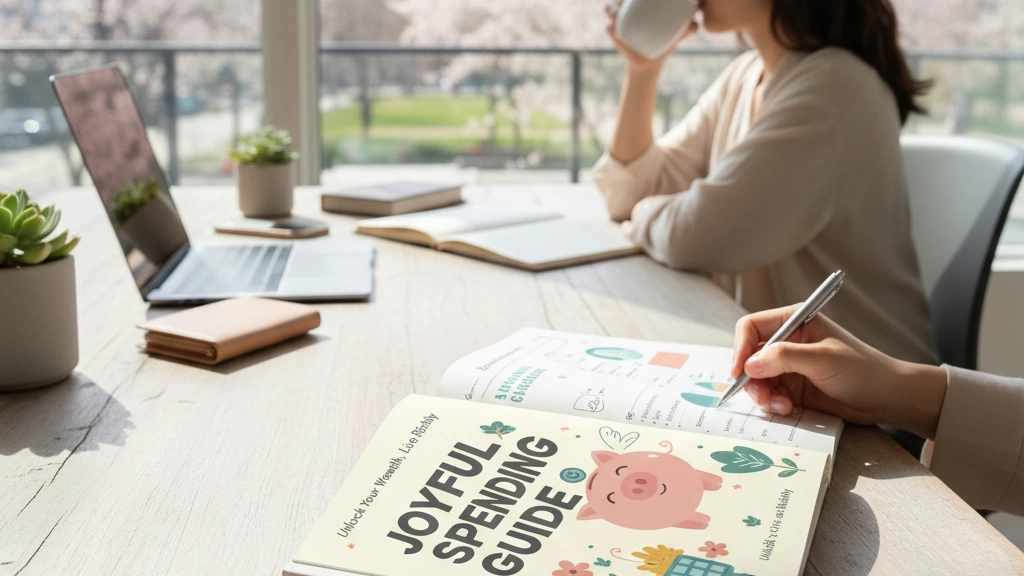
Creating a life filled with things that truly spark joy means being selective—even picky—about what you bring in. Here’s how to build a joy-first space and style that feel right every day.
The 10% Rule: Buy Only the Best
When shopping, ask yourself: Is this item in the top 10% of its category? Whether it’s a shirt, a chair, or a gadget, only bring home pieces that really stand out—those that offer exceptional quality, design, or meaning. This cuts down clutter and makes sure you surround yourself with things worth keeping.
Make a “Joy List” for Dream Items
Instead of impulsive buys, keep a running list of the things you truly want—your “Joy List.” These are the dream items worth saving for because they align with your style and values. Prioritising this list helps you avoid wasteful spending and focus on what really matters.
When Is It Okay to Splurge?
Splurging isn’t off-limits, but it should feel intentional. Consider a purchase worth splurging on if:
- It’s something you’ll use daily and cherish.
- It fits your financial situation without stress.
- It aligns with the lifestyle you’re building.
- It has long-term value—whether practical or emotional.
Being mindful about splurges keeps your spending joyful rather than regretful.
Building a joy-first wardrobe, home, and life is about quality over quantity, clear priorities, and thoughtful splurges. Practice these habits, and you’ll naturally curb impulse buys and create a space full of real joy.
Practical Tools & Checklists
To keep your shopping intentional and stick to the “spark joy” mindset, having practical tools at hand really helps. Here are some easy, effective resources you can use:
- Printable “Joy Check” Worksheet: Download a simple checklist you can print and carry with you. This worksheet prompts you to ask key questions before buying, making sure each purchase aligns with your joy-first goals.
- Phone Lock-Screen Reminder Questions: Set short, sharp reminders on your phone’s lock screen. Questions like “Does this spark real joy?” or “Will I use this daily?” pause impulse buys and keep you mindful wherever you go.
- Apps & Browser Extensions for Conscious Shopping: There are handy tools like price trackers, spending limit alerts, and eco-friendly product finders that support mindful consumerism. These help you avoid impulse sales or trend-driven buys and encourage sustainable shopping habits.
Using these tools simplifies your joy check before buying and helps build a thoughtful, purposeful collection of things you truly love.
Common Objections & How to Overcome Them
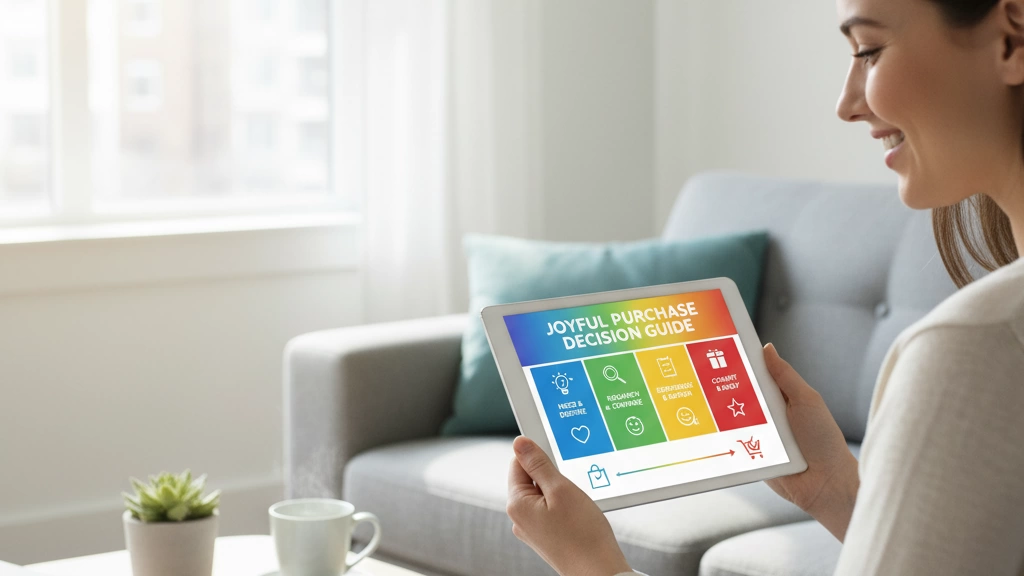
When practicing spark joy shopping, it’s normal to face some doubts. Here’s how to handle the most common objections.
“But I’ll need it someday”
This is a classic line that makes us hold onto things “just in case.” Ask yourself: How likely is that day to actually come? If it’s months or years away, it’s better to wait until that moment arrives. Buying ahead often leads to clutter and regret because it doesn’t spark real joy now.
“It’s an investment piece”
Investment pieces only make sense if they genuinely fit your style and life. Don’t let price alone justify buying something that doesn’t bring you joy. Being intentional means buying quality items you love and plan to use daily – not just expensive stuff that sits untouched.
“I deserve to treat myself”
Treating yourself is important, but the key is how you do it. Choose items that spark joy and align with your intentional living goals, not quick dopamine hits or impulse buys. Real joy lasts beyond the moment and makes treating yourself truly rewarding.
FOMO shopping
Fear of missing out (FOMO) is a trap that leads to impulse buys you don’t really need or want. Stick to your joy check before buying. Walk away, sleep on it, and only purchase if it still feels like a full-body “yes.” This keeps your shopping mindful and stops regrets before they start.
The Long-Term Benefits of Joy-Only Purchasing
Buying only what truly sparks joy isn’t just about feeling good in the moment—it pays off long-term in several important ways:
| Benefit | What It Means |
|---|---|
| Financial freedom | Spend less on things you don\’t love. Save more or spend on what truly matters to you. |
| Cleaner, calmer living space | Fewer cluttered items mean less mess and more peace at home. A tidy space helps clear your mind. |
| Stronger personal style and self-knowledge | When you choose joy, your belongings reflect who you really are—no more trend-chasing or copying others. |
| Reduced decision fatigue | With fewer things to manage or think about, making daily choices gets easier and less overwhelming. |
This mindful consumerism approach helps you keep intentional purchasing habits that suit your life and local lifestyle needs. It’s not just about minimalism—it’s about loving what you own and making your space work for you every day.