
It’s easy to feel overwhelmed by retirement planning. You know you need to save, but figuring out how much and where to put it often feels like a puzzle with missing pieces. Good news: digital tools can clear some of that fog, offering clarity and guidance for your financial future.
The Invisible Wall: Why Many People Struggle to Plan for Retirement
The idea of ‘retirement’ often sits in a distant, hazy future. This distance creates a significant psychological barrier. It’s hard to make concrete sacrifices today for something that feels decades away, especially when immediate needs or wants tug at your wallet. This isn’t a failure of willpower; it’s a common human trait. Our brains are wired to prioritize present rewards over future gains, a phenomenon behavioral economists call ‘hyperbolic discounting.’
Many people know they should be saving more, or investing better, but the sheer complexity of financial markets and retirement vehicles creates a paralyzing effect. Should you prioritize a Roth IRA or a traditional 401(k)? What about HSAs? How do you factor in inflation, taxes, and potential healthcare costs? Each question piles on, leading to analysis paralysis where no action feels safer than the wrong action. This inaction, however, is often the costliest mistake of all, eroding precious years of compound growth.
The “Future Self” Disconnect
One core issue is our inability to truly connect with our future selves. Research shows that when we think about ourselves decades from now, our brains react much like they would to thinking about a stranger. This disconnect makes it incredibly difficult to feel the urgency of saving for that distant, unfamiliar person. The expenses of your 60s or 70s seem abstract compared to your current mortgage or student loan payments. Without a clear, tangible vision of what retirement looks like, it becomes a theoretical exercise rather than a pressing personal goal. Apps that help visualize this future can bridge this gap, showing you the real impact of today’s choices.
Overwhelm and Analysis Paralysis
The sheer volume of financial products and investment strategies available can stop people dead in their tracks. Should you invest in individual stocks, mutual funds, or exchange-traded funds (ETFs)? What’s the difference between a robo-advisor and a traditional financial planner? Add in fluctuating market conditions, differing tax implications, and the ever-present fear of making a mistake, and it’s no wonder many people simply don’t start. This overwhelm is a major barrier, preventing even financially savvy individuals from taking the first step. A good app simplifies these decisions, guiding you through options without the jargon.
What Makes a Retirement App Truly Useful?

Not all retirement planning apps are created equal. Some are glorified spreadsheets, others are full-blown financial ecosystems. Based on extensive testing and user feedback, here’s what genuinely separates the useful from the noise:
- Comprehensive Financial Aggregation: The best apps pull in data from all your financial accounts—checking, savings, credit cards, mortgages, and most importantly, all your investment accounts (401(k)s, IRAs, brokerage). This creates a single, unified view of your entire financial picture, essential for accurate retirement projections. Without this, you’re trying to plan with half the information.
- Personalized Retirement Projections: Generic calculators are rarely helpful. A top-tier app uses your specific income, expenses, savings rate, and investment balances to project your retirement readiness. It should allow you to adjust variables like planned retirement age, desired retirement income, and major future expenses (like a child’s college or a new home) to see how those changes impact your outlook. This dynamic modeling helps you understand cause and effect.
- Actionable Recommendations: Simply telling you you’re “off track” isn’t enough. A useful app provides concrete, step-by-step suggestions. This might include recommending a specific increase in your 401(k) contribution, suggesting a rebalance of your investment portfolio, or identifying areas where you could cut expenses to free up more savings. The goal is to move you from knowing to doing.
- User-Friendly Interface and Data Visualization: Financial planning is complex; the app shouldn’t be. A clear, intuitive interface that presents complex data in understandable charts and graphs is crucial. You should be able to quickly grasp your net worth, cash flow, and retirement progress without feeling like you need a finance degree. Clutter and confusing navigation will lead to abandonment.
- Cost-Effectiveness and Fee Transparency: Apps come with various pricing models—some are free, some charge monthly fees, others take a percentage of assets under management (AUM). A truly useful app is transparent about all its costs. Understand what you’re paying for and ensure the value justifies the expense. Free apps often monetize data or push specific products, so always read the fine print.
- Security and Data Privacy: Since you’re linking all your financial life, robust security is non-negotiable. Look for bank-level encryption, multi-factor authentication, and clear privacy policies that explain how your data is used and protected. Your financial well-being depends on it.
Top Retirement Planning Apps: A Detailed Look
After diving deep into what these tools offer, I’ve identified several apps that stand out for different user needs. Each has unique strengths, along with specific pricing structures you should be aware of.
Empower Personal Capital: Best for Comprehensive Tracking and High Net Worth
Empower Personal Capital (formerly Personal Capital) excels at giving you a holistic view of your financial life. It connects all your accounts—checking, savings, credit cards, loans, and investments—to calculate your net worth in real-time. Their free tools include a retirement planner that runs simulations based on your actual data, a fee analyzer to spot hidden investment costs, and a budget tracker. The retirement planner is particularly strong, allowing you to model various scenarios and see how different decisions impact your financial future.
For those with over $100,000 in investable assets, Empower offers paid wealth management services, pairing you with a human advisor. These services start at 0.89% of assets under management (AUM) per year for assets up to $1 million, with fees decreasing for larger portfolios. This hybrid approach makes it suitable for both DIY planners and those seeking professional guidance.
NewRetirement: Best for Complex Scenarios and Detailed Planning
If your financial situation is complex, or you simply want to model every possible ‘what if’ scenario, NewRetirement is your best bet. This app offers an incredibly detailed planner that goes far beyond basic projections. You can input everything from specific income streams (pensions, Social Security, rental properties) to planned expenses (travel, healthcare, home renovations), and even model early retirement or bridge careers. It’s not just about reaching a number; it’s about building a lifestyle plan.
NewRetirement offers a free basic planner, but its true power unlocks with the “PlannerPlus” subscription, which costs around $120 per year. This paid version includes features like Social Security optimization, advanced tax planning, and the ability to connect all your accounts for real-time tracking. It’s a robust tool for those who want to dig deep into their retirement strategy.
Fidelity Go or Vanguard Digital Advisor: Best for Hands-Off Investing
For individuals who want to automate their retirement investing with minimal effort, robo-advisors like Fidelity Go and Vanguard Digital Advisor are excellent choices. These services build and manage a diversified portfolio for you based on your risk tolerance and goals. They handle rebalancing and reinvestment, taking the guesswork out of market fluctuations.
Fidelity Go requires a minimum of $0 to open an account and charges a 0.35% annual advisory fee for balances over $25,000. Balances under $25,000 are managed for free. This makes it highly accessible. Vanguard Digital Advisor requires a minimum of $3,000 to get started and charges an advisory fee of approximately 0.15% per year. Both are highly reputable firms known for low-cost index funds, making them strong contenders for efficient, automated investing.
Blooom: Best for 401(k) Optimization
Many people have their largest retirement asset—their 401(k)—sitting unoptimized, riddled with high-fee funds. Blooom specializes in analyzing and managing employer-sponsored retirement accounts. You link your 401(k), 403(b), or 457 plan, and Blooom identifies hidden fees, recommends optimal investments based on your goals, and even executes trades on your behalf if you choose their managed option.
Blooom offers a free analysis of your 401(k) to show you where you stand. Their paid service, which includes ongoing advice and rebalancing, costs $120 per year ($10 per month). This can be a for those who feel lost navigating their workplace retirement plan and want to ensure their investments are aligned and cost-effective.
| App/Service | Primary Strength | Key Features | Pricing (approx. 2026) | Ideal User |
|---|---|---|---|---|
| Empower Personal Capital | Comprehensive financial aggregation & net worth tracking | Real-time net worth, retirement planner, fee analyzer, budget tools | Free tools; 0.89% AUM for wealth management ($100k+ min) | High net worth individuals, those seeking a full financial overview |
| NewRetirement | Detailed scenario planning & complex situations | Advanced projections, Social Security optimization, tax planning, account linking | Free basic; PlannerPlus $120/year | Detailed planners, complex financial situations, early retirees |
| Fidelity Go | Automated, hands-off investing (robo-advisor) | Managed portfolios, automatic rebalancing, goal tracking | Free for balances under $25k; 0.35% AUM above $25k | New investors, those wanting simple, automated investing |
| Vanguard Digital Advisor | Low-cost, automated investing with Vanguard funds | Managed portfolios, tax-efficient investing, low-cost ETFs | 0.15% AUM; $3,000 minimum | Vanguard enthusiasts, cost-conscious automated investors |
| Blooom | 401(k) and workplace plan optimization | Fee analysis, investment recommendations, managed 401(k) option | Free analysis; $120/year for managed service | Individuals with workplace retirement plans (401k/403b) |
Beyond Software: Non-Negotiable Habits for Success

Ultimately, no app, however sophisticated, can replace fundamental financial discipline. Consistently saving a portion of every paycheck, avoiding high-interest debt, and educating yourself on basic investing principles remain the bedrock of any successful retirement plan. These habits aren’t just ‘nice-to-haves’; they’re non-negotiable.
The Evolving Landscape of Digital Retirement Tools
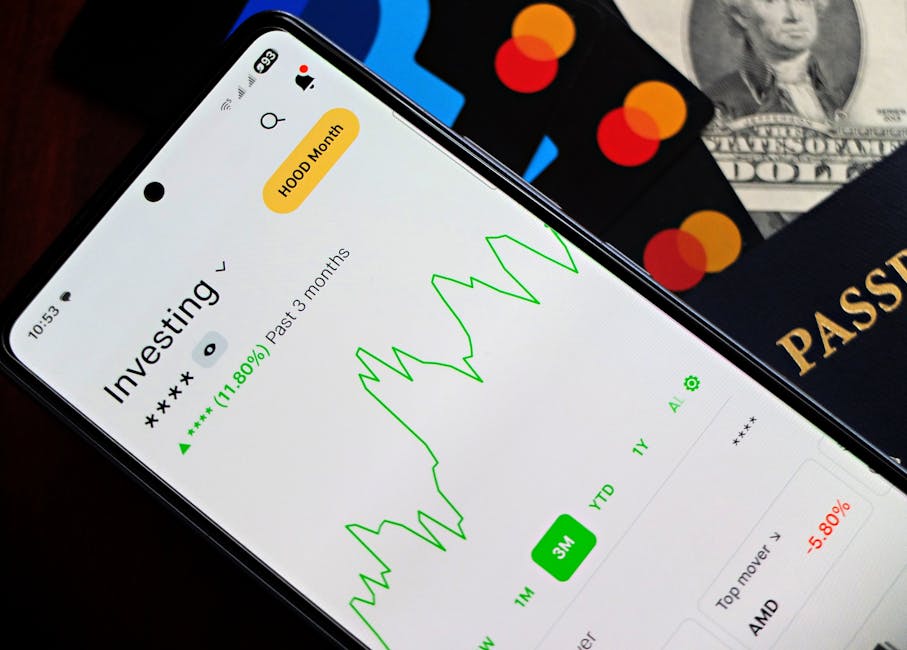
The retirement planning app space is far from static. We’re seeing rapid advancements, driven by artificial intelligence and a deeper understanding of investor psychology. Future tools won’t just tell you where you stand; they’ll proactively guide your behavior and anticipate your needs.
Expect more personalized nudges, dynamic scenario adjustments based on real-time market changes, and even integrations with other aspects of your life, like health data to project long-term care costs. The goal is to move beyond static planning to a living, breathing financial ecosystem that adapts with you.
AI-Driven Personalization
Artificial intelligence is already making strides in tailoring financial advice, but its role in retirement planning is set to explode. Imagine an app that not only analyzes your current spending but uses AI to predict future expenses based on your lifestyle patterns, geographic location, and even health markers. It could recommend specific actions, like adjusting your contribution by $50 per paycheck, rather than just suggesting a percentage. This level of granular, predictive personalization will make retirement planning feel less like a chore and more like a supportive partner, continuously learning and adapting to your unique situation. AI could also help identify optimal times to take Social Security or convert Traditional IRA funds to Roth, maximizing your tax efficiency over decades.
Integrated Financial Ecosystems
The trend is moving towards fewer, more comprehensive platforms. Instead of separate apps for budgeting, investing, and retirement planning, expect integrated financial ecosystems where all your data lives and interacts seamlessly. These platforms will likely incorporate tools for estate planning, insurance analysis, and even connecting with human advisors for complex situations, all within a single interface. This eliminates the friction of switching between multiple apps and ensures a more holistic view of your financial journey from start to finish. Think of a single dashboard that can manage your daily spending, optimize your investment portfolio, and project your legacy all at once.
Focus on Behavioral Science
Future retirement apps will increasingly leverage behavioral economics to help users overcome common psychological hurdles. This could involve features like automatic savings transfers, gamification to make saving more engaging, or ‘pre-commitment’ strategies where you lock in future savings increases. The aim is to design systems that make the ‘right’ financial choices the ‘easy’ ones. By understanding how people make decisions, these tools can subtly guide users towards better long-term outcomes, making consistent saving and smart investing feel less like a burden and more like an effortless default. This shift from purely analytical tools to behaviorally informed platforms will be a significant advancement.