
The UK credit landscape is no longer a simple lending market; it has evolved into a sophisticated ecosystem of financial arbitrage where the savvy consumer can effectively “subsidize” their lifestyle using the bank’s own capital. Navigating this terrain requires more than a cursory glance at headline interest rates. It demands a granular understanding of how different products—ranging from high-yield reward cards to long-term interest-free purchase vehicles—interact with your specific spending patterns and credit profile. In an era of fluctuating base rates and tightening lending criteria, the “best” card is a moving target, defined less by its brand name and more by its alignment with your 12-month financial roadmap.
Strategic Categorization: Identifying Your Borrowing Persona
Before diving into specific product comparisons, it is essential to categorize your financial behavior. The UK market is highly segmented, and applying for a card that does not match your persona is the fastest way to damage your credit score via unnecessary “hard” searches. Most consumers fall into one of four distinct camps: the Maximizer, the Spreader, the Rebuilder, or the Nomad.
The Maximizer pays their balance in full every month and views the credit card as a tool to harvest points, air miles, or cashback. For this group, the APR is irrelevant, but the “earn rate” and annual fees are paramount. The Spreader uses credit to manage cash flow, often utilizing 0% purchase windows to fund significant life events like weddings or home renovations without depleting their emergency savings. The Rebuilder is focused on “credit repair,” opting for cards with lower limits and higher APRs specifically designed to demonstrate fiscal responsibility to future lenders. Finally, the Nomad prioritizes the removal of “non-sterling transaction fees,” seeking a card that allows for seamless spending across borders without the typical 2.99% surcharge levied by high-street banks.
The Math Behind Cashback vs. Points Systems
The debate between cashback and points is often framed as a matter of preference, but it is actually a matter of mathematics. Cashback is the ultimate hedge against inflation and devalued loyalty programs. If a card offers 0.5% cashback, the value of that reward is fixed and liquid. You can use it to pay down your balance or buy a coffee. Points systems, such as American Express Membership Rewards or Virgin Money’s Flying Club, are “synthetic currencies.” Their value is entirely dependent on the redemption method.
For example, if you redeem 10,000 Amex points for a £50 Amazon voucher, each point is worth 0.5p. This is a mediocre return. However, if those same 10,000 points are transferred to a frequent flyer program and used to book a Business Class upgrade that would have cost £500 in cash, the value of each point jumps to 5p. This represents a 1,000% increase in reward efficiency. Therefore, unless you are prepared to engage with the “points game”—calculating transfer ratios and monitoring availability—a high-rate cashback card like the American Express Cashback Everyday card (offering up to 5% in the first three months) is mathematically superior for the average user.
When 0% Purchase Windows Outweigh Loyalty Rewards
There are specific scenarios where a 0% purchase card is objectively superior to a rewards card. If you are planning a £3,000 home improvement project and intend to pay it off over 12 months, using a rewards card with a 25% APR would cost you roughly £400 in interest. Even a high-end rewards card would only give you about £30 to £60 back in value. By using a 0% purchase card, you effectively receive an interest-free loan from the bank. The ‘reward’ here is the avoided interest, which is far more valuable than any points tally.
The UK currently sees 0% windows ranging from 12 to 21 months, though these are highly sensitive to the applicant’s credit score. Using these cards requires extreme discipline; failing to clear the balance before the 0% window expires triggers a jump to the standard purchase rate, which can be a financial shock. Furthermore, you must always make at least the minimum payment each month, or the bank reserves the right to withdraw the 0% offer immediately, reverting you to a high interest rate overnight.
A common oversight in the UK market is ignoring the ‘Representative APR.’ This rate is only guaranteed for 51% of successful applicants. If your credit file has minor blemishes, you may be approved but offered a significantly higher interest rate than the one advertised. This is why using eligibility checkers is non-negotiable.
Detailed Comparison of Top UK Credit Cards for 2024

The following table provides a snapshot of the current leaders in the UK market across different categories. These figures are based on standard offerings as of mid-2024 and are subject to change based on individual credit profiles and lender updates. We have included the “hidden” costs that often catch consumers off guard.
| Card Name | Primary Benefit | Representative APR | Annual Fee | Foreign Fee |
|---|---|---|---|---|
| American Express Gold | Travel Points & Lounge Access | 88.8% (Variable, incl. fee) | £195 (Waived in year 1) | 2.99% |
| Barclaycard Rewards | No Foreign Fees + Cashback | 28.9% (Variable) | £0 | 0% |
| NatWest Reward | 1% Cashback at Supermarkets | 28.9% (Variable) | £24 (Refundable) | 2.99% |
| Halifax Clarity | Low Cost International Use | 22.9% (Variable) | £0 | 0% |
| Tesco Bank Foundation | Credit Building + Clubcard Points | 29.9% (Variable) | £0 | 2.99% |
Best for Everyday Spending: American Express Preferred Rewards Gold
The Amex Gold card remains a heavyweight for those who spend significantly on their card and pay in full. The introductory offer often includes 20,000 to 30,000 Membership Rewards points after a £3,000 spend in the first three months. Pros: You receive four free airport lounge passes annually via Priority Pass, a £5 monthly Deliveroo credit (totaling £60/year), and 1 point for every £1 spent (2 points on airlines). Cons: The £195 annual fee from year two onwards is steep, and American Express is still not universally accepted by smaller UK merchants or discount retailers like Aldi and Lidl. If you cannot spend enough to justify the fee after the first year, it is often wise to “downgrade” to a free Amex card to preserve your points history.
Best for Large Purchases: Barclaycard Rewards and 0% Options
Barclaycard often leads the market in 0% purchase and balance transfer durations. Their Rewards card is particularly interesting because it offers a rare combination: 0.25% cashback on all spending and no fees for using the card abroad. Pros: No foreign exchange fees and a highly reputable app interface that allows for easy “freezing” of the card if lost. Cons: The cashback rate is lower than some competitors, and customer service wait times can be inconsistent compared to premium providers like Amex. For those specifically seeking 0% windows, Barclaycard frequently offers 20+ months, but be wary of “Balance Transfer Fees” which can range from 1% to 3.5% of the total amount moved.
Best for International Travel: Halifax Clarity and Currensea
For frequent travelers, the Halifax Clarity has been a staple for over a decade. It charges no fees for foreign transactions and no fees for ATM withdrawals abroad. Pros: High acceptance rates and the security of a major high-street bank. You get the Mastercard wholesale exchange rate, which is usually the best available. Cons: While there is no ATM fee from Halifax, interest is charged on cash withdrawals from the moment the money leaves the machine, even if you pay your bill in full later. To mitigate this, many users pay off the cash withdrawal via their mobile app immediately after taking the money out.
Best for Credit Building: Tesco Bank Foundation
If you have a limited credit history or have suffered from past financial missteps, the Tesco Bank Foundation card is a strategic entry point. Pros: It offers a relatively low starting limit (usually £250 – £1,500) which helps prevent overspending, and it integrates with the Tesco Clubcard system, allowing you to earn points on all spending. Cons: The 29.9% APR is high, meaning this card should only be used if you can commit to paying the full balance every month. It is a tool for data-entry into your credit file, not a tool for long-term borrowing.
The Art of ‘Stoozing’ in a High-Interest Environment
A uniquely British financial tactic known as “stoozing” has regained popularity as savings account interest rates have climbed. Stoozing involves taking out a 0% purchase credit card, using it for all daily expenses, and instead of paying the balance in full, you pay only the minimum. The “saved” cash is then placed into a high-interest easy-access savings account or a Cash ISA.
By the end of the 0% period (say, 20 months), you will have accumulated a large balance on the card and a large amount of interest in your savings account. You then use the savings to pay off the card in full before the interest kicks in. In a 5% interest environment, stoozing a £5,000 balance can net you £250 in “free” money over a year. However, this strategy requires a high credit score to obtain the 0% card and meticulous organization to ensure the balance is cleared before the promotional period ends. It also increases your “credit utilization” ratio, which might temporarily lower your credit score and affect your ability to get a mortgage in the short term.
Navigating Credit Score Impact and the Hidden Costs of UK Lending
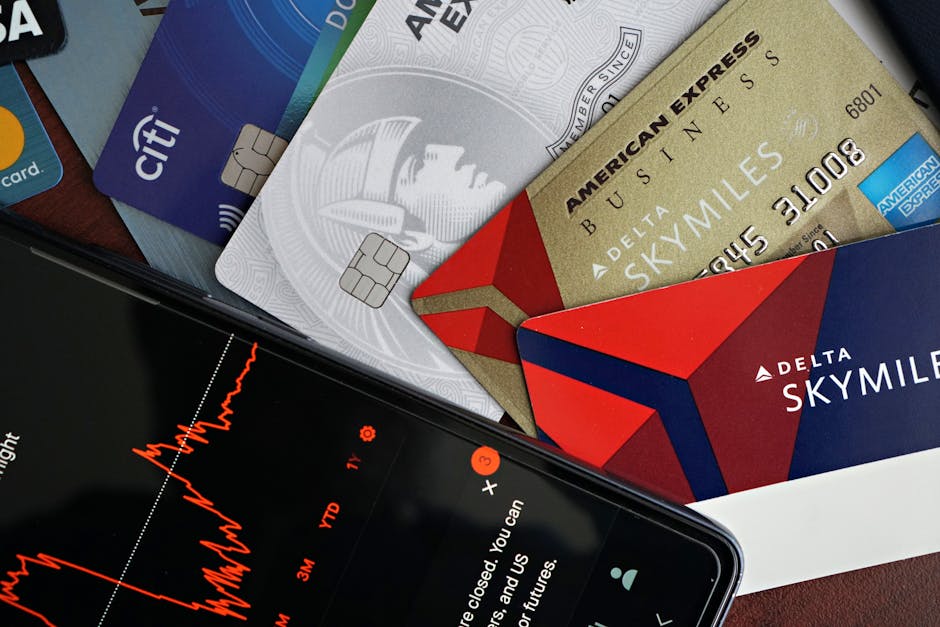
The mechanics of credit card applications in the UK have changed with the widespread adoption of ‘soft search’ technology. Previously, every application left a ‘hard’ footprint on your credit file, which could temporarily lower your score and signal desperation to other lenders. Today, most major comparison sites and lenders offer eligibility checkers. These tools use a soft search to tell you your likelihood of being accepted—often expressed as a percentage or a ‘pre-approved’ status—without affecting your credit score.
The Mechanics of Representative APR and Compound Interest
Understanding how interest is calculated is vital for anyone who might carry a balance. Credit card interest in the UK is typically calculated daily and compounded monthly. This means that if you have a balance of £1,000 at a 20% APR, you aren’t just paying £200 a year. You are paying interest on the interest. Furthermore, many people do not realize that if they do not pay the full balance, they often lose the ‘interest-free period’ on new purchases. From the moment you buy a coffee on a card with an existing balance, interest starts accruing immediately on that coffee. This is how small balances spiral into significant debt.
Section 75 Protection: The Legal Safety Net for UK Consumers
One of the strongest arguments for using a credit card in the UK—even if you have the cash—is Section 75 of the Consumer Credit Act 1974. This law makes the credit card provider jointly and severally liable with the retailer for any breach of contract or misrepresentation. If you buy a sofa for £500 and the company goes bust before it is delivered, the bank must refund you. This protection applies to purchases between £100 and £30,000. Crucially, even if you only pay a £1 deposit on the credit card and the remaining £499 in cash or via bank transfer, the bank is liable for the full £500. This is a level of consumer protection that debit cards (which rely on the much weaker ‘Chargeback’ scheme) simply do not offer. For any significant purchase, the credit card is the safest payment method available in the UK.
Common Pitfalls: Why Your Application Might Be Rejected

Even with a decent income, many UK residents find themselves rejected for the best cards due to technicalities. One of the most common reasons is not being on the Electoral Roll at your current address. Lenders use the electoral register as a primary way to verify your identity and stability. If you aren’t registered, your “identity score” drops significantly.
Another pitfall is “high credit utilization.” If you have a total credit limit of £10,000 across all cards and you are currently using £9,000 of it, you look “maxed out” to lenders, even if you pay it off every month. Aim to keep your utilization below 30% to appear as a low-risk borrower. Lastly, frequent changes of address or multiple “hard” credit searches in a six-month period can trigger fraud flags or suggest financial instability. Before applying for a top-tier card like the Amex Gold or a long-term Barclaycard 0% offer, ensure your credit report is “clean” for at least six months.
The UK credit market is currently in a state of flux as interest rates remain higher than the historical lows of the last decade. Lenders are becoming more selective, and some are trimming the ‘introductory’ windows for 0% offers. To get the most out of a comparison, you must look beyond the headline marketing. Read the Summary Box—a standardized document every UK lender must provide—which lists the actual fees for late payments, cash advances, and exceeding credit limits. By approaching the comparison with a clinical, data-driven mindset, you can turn the credit card from a potential liability into a highly effective financial tool.