Start with crops that replace expensive grocery items
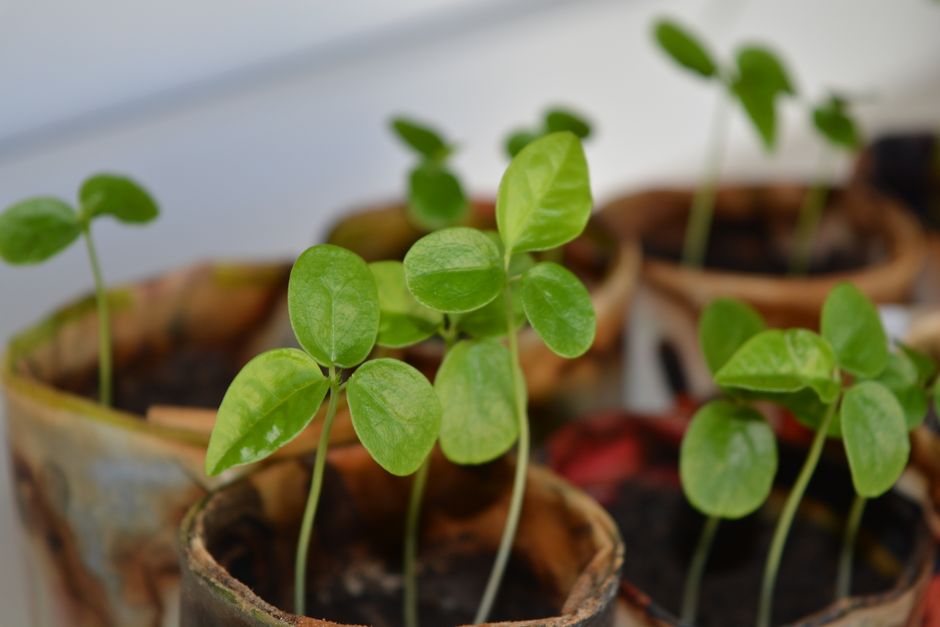
The best budget garden is not the biggest garden. It is a small growing space filled with vegetables you actually buy, eat, and replace often. For most households, that means herbs, salad greens, cherry tomatoes, green beans, and leafy greens rather than a long row of cheap potatoes.
The clear verdict: start with three to five crops that produce several harvests from one planting. A £40 garden can lower grocery spending, but it will not replace every supermarket trip. The savings come from repeated harvesting. One packet of lettuce seed can produce several bowls of salad. A basil plant can replace multiple small supermarket packets. Green beans produce for weeks when you pick them regularly.
Calculate the grocery value before planting
Write down the vegetables and herbs your household buys during a normal month. Record the price, package size, and how quickly the food disappears. If your household buys a £3 clamshell of salad greens twice each week, that crop has more savings potential than a tomato plant that produces vegetables you rarely eat.
Use this simple calculation: expected harvest value minus garden cost equals estimated savings. A £2 packet of bush bean seeds can be a strong buy when it produces a generous harvest of beans in a small bed.
Choose repeat-harvest vegetables
Repeat-harvest crops give you the best chance of recovering your starting cost. Cut outer leaves from kale and lettuce instead of pulling the whole plant. Pick beans while they are young. Harvest basil tips often so the plant keeps producing. Plant a second round of lettuce two or three weeks after the first round to avoid one large harvest followed by an empty container.
Skip crops that need a long season, wide spacing, or expensive support unless you already have the space. A single pumpkin vine can occupy more than 20 square feet. That space may produce less useful food than a compact row of beans, greens, or herbs.
Compare garden setups before spending money
The best setup for a beginner is usually the cheapest one that gives roots enough depth, sunlight, and drainage. A raised bed looks organised, but containers can produce food for much less money. The verdict: use containers or an existing garden border for your first season. Buy a raised bed only after you know the location receives at least six hours of direct sun and you enjoy maintaining it.
| Setup | Typical planning cost | Space needed | Best use | Budget verdict |
|---|---|---|---|---|
| Reused 5-gallon buckets | £0-£15 | Small patio or balcony | Herbs, lettuce, peppers | Best starting point |
| Burpee bush bean seeds | About £3-£4 per packet | One container or short row | Beans and repeat harvests | Excellent value |
| Bonnie Plants 4.5-inch tomato | About £5-£7 per plant | One large container | Fast start for tomatoes | Useful when time matters |
| Miracle-Gro Performance Organics potting mix, 25 quarts | About £12-£15 | Several small containers | Container growing medium | Convenient, not always cheapest |
| Vego Garden metal raised bed | About £120-£180 | Several square feet | Long-term garden setup | Skip for a first test |
These are planning prices, not fixed quotes. Local stores, sales, and package sizes change the total. The comparison still shows the important difference: seeds and reused containers keep the financial risk low, while a metal bed creates a large upfront cost before you know your garden will perform.
Use soil and containers carefully
Do not fill containers with ordinary yard soil. It compacts, drains poorly, and can stunt roots. Use potting mix for containers, then reuse it next season if plants were healthy. Drill drainage holes in buckets before adding soil. A five-gallon bucket needs several holes across the bottom, not one tiny opening in the centre.
Buy convenience only when it saves time
A Bonnie tomato plant costs more than a packet of tomato seeds, but it can save six to eight weeks of indoor seed starting. That premium can make sense for a late start. A premium raised bed usually does not make sense when free containers, a sunny balcony, or an existing border will do the job.
Build a productive garden with a £50 starting budget
The strongest budget plan spends money in the order plants need it. Start with light, containers, seeds, and suitable growing medium. Decorative planters, automated watering systems, and specialty tools can wait.
Week one: map the growing space
Watch the proposed site for one full sunny day. Count direct sunlight rather than judging by how bright the area feels. Six or more hours supports tomatoes, peppers, beans, and cucumbers. Four to six hours works better for lettuce, spinach, kale, and many herbs. If the site receives less than four hours, grow shade-tolerant greens or choose a different location.
Week two: buy only the basic inputs
- Set aside £10-£15 for seeds selected from foods your household already buys.
- Find two to four clean containers with drainage holes. Reused buckets, storage tubs, and large food-safe pots can work.
- Spend about £15 on potting mix or compost-rich soil suitable for containers.
- Reserve £5 for labels, ties, or a simple watering can. Use household items when possible.
- Keep the final £15 as a replacement fund for failed seedlings, extra soil, or a second round of seeds.
This reserve matters. Keep the system flexible.
Plant in small batches
Plant only one-third to one-half of the available space at first. Water the containers, check drainage, and watch for strong growth. Add the next batch after seven to fourteen days. Staggering the planting gives you a longer harvest and limits the damage from one mistake.
Water slowly until moisture reaches the bottom of the container. Then wait until the top inch of soil feels dry before watering again. Constantly wet soil can damage roots, while very dry soil can split tomatoes and stop lettuce from forming well.
Prioritise vegetables with the fastest financial payback
The best crops for saving money are not always the easiest crops. Choose vegetables with a high store price, repeated harvests, or a short time from planting to eating. The verdict: herbs and salad greens usually pay back fastest in small spaces, while beans and tomatoes offer stronger value when you have more sun.
- Herbs such as basil, parsley, coriander, and chives take little space and often cost £2-£4 per small store package. Cut only what you need, and the plant can keep producing.
- Leafy greens such as lettuce, kale, and spinach can provide several partial harvests. They also mature faster than many fruiting crops.
- Green beans can produce for several weeks from a small planting. Pick them often to encourage more flowers and pods.
- Cherry tomatoes make sense for households that buy them regularly. They need a large container, strong sunlight, and support, so they are less efficient in a shaded or cramped space.
- Peppers can be worthwhile because fresh peppers store-bought in small packages carry a high price. They grow slowly, so buy a transplant if the season is short.
Do not plant ten crops because a seed display makes each one look appealing. Plant two reliable crops and one experiment. Track harvests with a phone note. After four weeks, you will know which containers are producing food and which are only using water and space.
A crop that produces £8 of food but costs £12 to grow is not a money-saving crop for your household. Remove it from next season’s plan. Gardening becomes a personal finance tool only when you measure the result.
Know what to skip and how to recover from mistakes
The biggest budget gardening mistake is buying equipment before proving that plants can grow in the available space. Start small, measure the harvest, and upgrade only when a specific problem remains.
Should you buy a raised bed?
Buy one only if your soil drains poorly, you need a permanent layout, or you plan to garden for several years. For a first season, a Vego Garden bed can cost more than the seeds and soil combined. Reused containers are the better choice when the goal is immediate grocery savings.
Should you buy a premium fertilizer?
Not at the start. Healthy potting mix, correct watering, and enough sunlight solve more beginner problems than a high-priced fertilizer. Fertilize only when the crop requires it and follow the package rate. Too much fertilizer can burn roots and create another expense when plants need replacing.
What if the first planting fails?
Do not restart the whole garden. Identify the failure. Yellow leaves with wet soil usually point to poor drainage or overwatering. Long, thin stems usually mean insufficient light. Chewed leaves suggest pests, while plants that never sprout may have been planted too deeply or watered unevenly. Replace only the failed crop and use the reserve money.
For a household trying to cut grocery costs, the winning plan is modest: reuse containers, grow foods you already buy, choose repeat-harvest crops, and record what comes out of the garden. That turns a sunny corner into a small food budget line instead of an expensive hobby. The next grocery trip may still include tomatoes and lettuce, but fewer of them—and the garden will show exactly why.
Rates, terms, and eligibility requirements are subject to change. Always compare multiple lenders and consult a licensed financial advisor before borrowing.