
Why Most Shopping Lists Silently Steal Happiness
Ever notice how that new gadget or those shoes feel amazing for a hot minute—and then kind of meh? That’s the hedonic treadmill in action. Our brains chase quick dopamine hits from fresh purchases, but the buzz fades fast, leaving us scrolling for the next thrill instead of lasting joy.
Trend chasing, retail therapy, and FOMO (fear of missing out) are sneaky culprits here. We buy the latest must-haves because everyone else has them or because we’re stressed. But instead of relief, we often get buyer’s remorse or clutter that weighs us down.
Here’s a truth bomb from Harvard happiness studies: about 80% of purchases bring us joy for less than two weeks. Yep, most stuff just sparks short-term pleasure, not long-term fulfillment.
So, if our shopping lists are packed with these fleeting feel-good buys, it’s no wonder they silently steal happiness. But don’t worry—we’re about to flip that script. Ready to shop smarter and feel better? Let’s dive in.
Micro-action: Take 5 minutes to think about your last three purchases. How long did they really make you happy? Jot down what you notice.
The Science of Happiness-Boosting Purchases
Research shows that experiences generally boost happiness more than things. Classic studies from Gilovich and Van Boven found that people feel more joy from trips, concerts, or meals shared with others than from buying material goods. Experiences connect us emotionally and create lasting memories, while things often deliver just short-term dopamine hits.
Four key spending categories consistently increase well-being, backed by science:
- Social connections: Spending on friends and family strengthens relationships, a major driver of happiness (Dunbar).
- Personal growth: Investments in learning or skills build competence and confidence.
- Meaningful experiences: These create memories and stories to share.
- Comfort and ease: Upgrading your environment to reduce daily friction promotes long-term contentment.
A quick shortcut from psychology is Self-Determination Theory, which says true happiness comes from fulfilling three needs: Autonomy (feeling in control), Competence (mastering skills), and Relatedness (connecting with others). When your purchases align with these, they tend to bring lasting joy—beyond quick dopamine spikes.
By understanding these principles, we can move toward intentional buying—putting our money where it truly increases well-being.
The 5-Step Framework to Build Your Happiness-Focused Shopping List
Creating a shopping list that truly boosts your happiness isn’t about buying more—it’s about buying smarter. Here’s a simple 5-step framework to help you build a joy-sparking purchases list that lasts.
1. Reflect: Run a “Joy Audit”
Look back at your last 10 to 20 purchases. How many actually brought you lasting happiness? This quick audit highlights what truly adds value versus what fades fast. (Try our free Joy Audit worksheet to simplify this process.)
2. Define Your Personal Happiness Drivers
Everyone’s joy triggers are different. Use our free downloadable worksheet to pinpoint what makes you genuinely happy—whether it’s learning new skills, spending time with loved ones, or enhancing your environment.
3. Use the 4 Happiness Buckets Filter
Filter potential buys through four key categories proven to increase well-being:
- Daily Micro-Joys
- Identity & Growth Investments
- Relationship & Memory Makers
- Environment Elevators
This keeps your shopping list intentional and aligned with what really matters.
4. Apply the 30-Day Anticipation Rule + 72-Hour Cooling-Off Rule
Before buying, wait 30 days to enjoy the anticipation and see if the desire sticks. When you’re ready to purchase, pause for another 72 hours to avoid impulse buys. This simple practice helps slash dopamine shopping and encourages real joy.
5. Curate & Cap: Limit to 5–10 Items Per Quarter
Keep your list small and focused—aim for no more than 5 to 10 happiness-focused purchases every three months. This keeps your spending intentional, avoids clutter, and maximizes satisfaction.
Following this framework helps you move away from trendy, fleeting buys toward conscious shopping list choices that boost well-being and lasting joy.
The 4 Happiness Buckets You Should Actually Spend On
When curating a happiness-focused shopping list, focus your spending on four key “buckets” that research shows truly boost well-being. These happiness budget categories help you avoid impulse buys and focus on joy-sparking purchases.
Bucket 1 – Daily Micro-Joys (under $30, used daily)
These are small, affordable items that bring a quick hit of happiness every day without breaking the bank. Think your favourite morning coffee, a quality snack, or a simple skincare product. The key is consistent use — these little treats consistently spark joy and improve mood in simple ways.
Example: Buying a special tea blend to enjoy daily rather than mass-brand teas.
Bucket 2 – Identity & Growth Investments
Spending here supports your sense of self and personal growth. This could be a book that inspires you, online courses, or a hobby toolkit. These purchases fuel competence and autonomy, part of the Self-Determination Theory that boosts happiness longer term.
Example: Investing in a language course or a durable journal for reflective writing.
Bucket 3 – Relationship & Memory Makers
These are purchases that deepen connections or create lasting memories. It could be tickets to a concert with friends, a dinner date experience, or a photo book documenting a special trip. Experiences here matter more than stuff — boosting relatedness and shared joy.
Example: Buying a board game for family nights or booking a small weekend getaway with a partner.
Bucket 4 – Environment Elevators (home/space upgrades that reduce friction)
Spending on your environment is about making your everyday spaces happier and easier to navigate. Think practical upgrades like better lighting, cozy blankets, or organizing tools that reduce stress and friction. These elevate mood daily by making life smoother.
Example: Adding calming plants or a comfortable chair that invites relaxation after work.
By focusing your shopping list on these four buckets, you make intentional buys that increase happiness in reliable, lasting ways — not just dopamine-driven spurts. This is how you build a conscious shopping list that truly serves your well-being.
Real-Life Happiness-Focused Shopping List Examples
Putting together a happiness-focused shopping list is easier when you have real examples to guide you. Here are some practical templates tailored to seasons, budgets, and life stages that help you spend intentionally and spark lasting joy.
Seasonal Templates
- Winter Coziness: Think warm throws, a good book, scented candles, or a quality hot water bottle. These items boost comfort and mood during colder months.
- Summer Adventure: Plan for outdoor gear like a sturdy water bottle, picnic sets, or a budget-friendly camera to capture memories. These encourage experiences over things.
- Back-to-Routine September: Invest in organized planners, calming teas, or workout gear that supports a fresh start. These purchases support growth and well-being.
Budget Versions
- Under $200: Focus on small daily micro-joys like favorite snacks, skincare basics, or a new journal. These promote happiness without breaking the bank.
- Under $500: Add bigger identity and growth investments—like online courses or craft kits—along with relationship makers like dinner sets for hosting.
- Splurge Lists: Select high-impact environment elevators, such as ergonomic chairs or smart home devices that reduce friction and improve daily life. These are thoughtful splurges that last.
Age-Specific Lists
- 20s: Prioritize items that build autonomy and exploration—travel gear, language apps, or creative tools.
- 30s: Focus on relationship and memory makers like family board games, plus growth investments such as career coaching books.
- 40s: Environment elevators can be key—invest in comfortable home office setups or wellness gadgets.
- New Parents: Choose items that ease daily friction—baby monitors, cozy loungewear—and experiences like family outings.
- Empty Nesters: Spend on experiences that foster relatedness: travel vouchers, hobby equipment, or gifts for loved ones.
These examples show how curating a conscious shopping list can turn everyday purchases into meaningful investments in your happiness. Tailor your list to your lifestyle, budget, and season to shop with intention and boost well-being.
Tools & Habits to Keep Your List Joy-Centered Forever
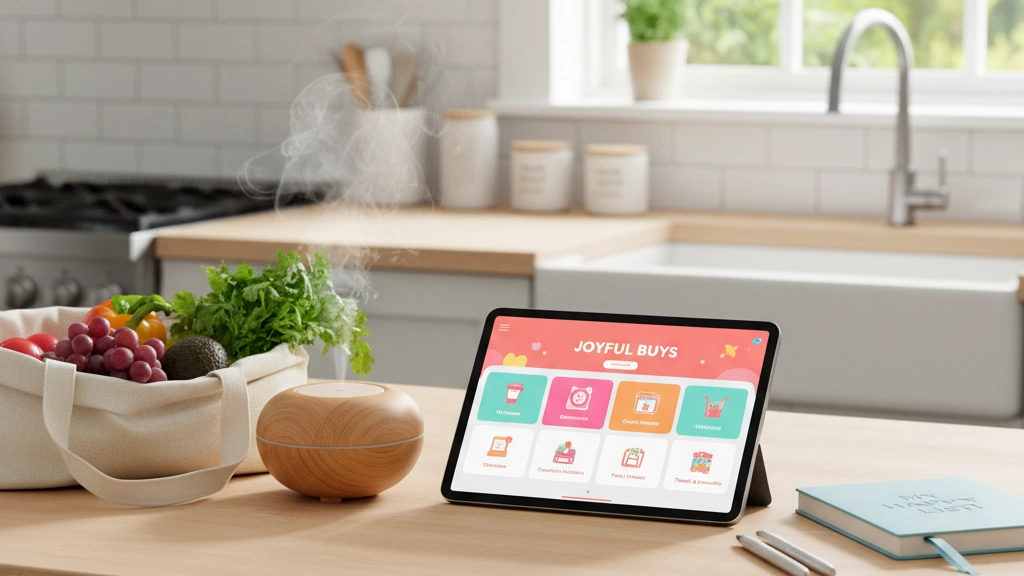
Keeping your happiness-focused shopping list effective means making it a part of your routine with simple tools and habits. Here’s how to stay on track:
-
Use a Digital Template
Whether it’s Google Sheets or a digital note app, create a living shopping list you can update anytime. I recommend setting up columns for the item, happiness bucket, cost, and your excitement level. This quick view helps you spot trends and avoid impulse buys.
-
One In, One Out Rule
To keep clutter and unnecessary spending down, commit to removing one old item before adding something new. This habit encourages mindful buying and makes sure every new purchase earns its spot.
-
Annual Buy-Nothing Month
Challenge yourself to take one month off from all non-essential shopping each year. This break resets your dopamine responses and helps you reassess what truly adds joy to your life.
-
Set Phone Reminders & Calendar Blocks
Schedule monthly check-ins with your list to review, adjust, and reflect. A reminder on your phone or a calendar event keeps the process active and intentional.
-
Accountability Buddies
Share your happiness-focused goals with a friend or family member who supports your journey. Check in regularly to discuss wins and pitfalls — a little external encouragement goes a long way.
Stick with these habits, and your curated shopping list won’t just be a document — it’ll become a practical tool for meaningful, joy-sparking purchases.
Common Mistakes & How to Avoid Them
When curating a happiness-focused shopping list, it’s easy to stumble into traps that steal your joy instead of boosting it. Here are the biggest mistakes—and how to dodge them:
1. Confusing Aesthetics with Joy
Just because something looks good or trendy doesn’t mean it will make you happy. Buying stuff purely for style often leads to buyer’s remorse. Instead, focus on items that truly spark joy or improve your daily life. Ask yourself: Will this add real value or just look nice on my shelf?
2. Lifestyle Creep Disguised as Self-Care
Upgrading your life is great, but be careful not to slip into lifestyle creep—where spending more is mistaken for self-care. More expensive items don’t always equal better well-being. Genuine self-care is intentional and based on your happiness drivers, not on keeping up with others.
3. Falling for “Limited Edition” Urgency
Marketing tactics like “limited edition” or “only available today” create pressure to buy quickly. This often leads to impulse purchases that don’t align with your happiness list. Use your 72-hour cooling-off rule to pause and reflect before committing.
By spotting these common pitfalls, you’ll keep your curated shopping list genuinely joyful and aligned with what truly matters. Intentional buying beats dopamine shopping every time.