Stop the Bleeding First
Stop using your credit cards today. Literally freeze them—put those plastic villains in an ice cube tray and toss them in the freezer. Out of sight, out of mind. No more swiping means no more piling up debt.
Call your card issuers next. Ask for a hardship rate reduction. Here’s an exact script that works:
“Hello, I’m going through some financial difficulties and am committed to paying off my balance. Can you help me lower my interest rate or offer hardship relief programs to make payments more manageable?”
Most issuers want to keep you as a customer and often say yes to these requests, especially if you sound calm and serious.
Switch to cash or debit for the next 30–60 days. This one move changes everything. Using what you have stops the spiral and rewires your spending habits. No credit card means no new debt—simple as that.
Taking these first steps stops the bleeding immediately and puts you back in control. It’s your foundation for tackling credit card debt fast.
Assess Your Exact Situation

The first step in managing credit card debt effectively is knowing exactly where you stand. Pull your free credit reports from the major bureaus—Equifax, Experian, and TransUnion. List every card you have, including the balance, APR (interest rate), and minimum monthly payment. This clear snapshot helps you understand your total debt and what’s costing you the most.
Next, calculate your debt-to-income ratio—this is your monthly debt payments divided by your monthly income. Knowing this number is crucial because it shows how much of your income goes toward debt and helps set realistic payoff goals.
Now, decide on your payoff strategy: debt avalanche vs debt snowball. The debt avalanche method focuses on paying off the card with the highest interest rate first, saving money on interest in the long run. The debt snowball method targets the smallest balance first, giving quick wins to keep you motivated. Use a simple debt avalanche calculator or list your debts to see which approach fits your style and budget best.
Understanding your exact situation lets you take control, make smarter payments, and pay off credit card debt fast.
High-Impact, Quick-Win Strategies
If you want to pay off credit card debt fast, these strategies can make a big difference without waiting months or years.
0% Balance Transfer Cards
Using a 0% balance transfer card is one of the smartest moves right now. You can move your high-interest credit card balance to a card with zero interest for 12-18 months, which means every payment goes straight to the principal.
Watch out for:
- Balance transfer fees (usually 3-5%)
- Intro rates that jump up after the promo ends
- Making new purchases on the card, which could accrue interest at a higher rate
Check the latest 0% balance transfer offers in 2025 before you apply, and plan to pay off the full amount before the promo ends to avoid surprise charges.
Debt Consolidation Loans vs Personal Loans
Both loan types can simplify payments and lower your APR, but they suit different situations.
- Debt consolidation loans are designed specifically to pay off multiple credit cards at once, often with lower interest rates if your credit is solid.
- Personal loans can also work but might come with higher interest, especially if your credit score isn’t great in 2025’s lending climate.
If you have bad credit, debt consolidation might be tough to qualify for, so shop around and compare rates carefully.
Debt Snowball vs Debt Avalanche
The two most popular payoff methods:
- Debt snowball: Pay smallest balances first, then roll payments into the next. Good for motivation and momentum.
- Debt avalanche: Pay highest-interest debts first to save more money over time.
For most people, the debt avalanche saves more interest, but the snowball wins when you need quick emotional wins to keep going. Use a debt avalanche calculator online to see which fits your numbers best.
Negotiate Settlements Yourself
If some accounts are charged-off or in collections, you can often negotiate directly with creditors. Many people have a 70–80% success rate settling for less than owed.
- Start by calling your issuer or collection agency.
- Offer a lump-sum payment to settle the debt for less.
- Get every agreement in writing before paying.
Negotiation can significantly reduce your balance, but be aware it might affect your credit score temporarily.
These quick wins give you real leverage over your debt and can speed up your path to freedom. Pick one or two that fit your situation and get started today!
Everyday Habits That Slash Debt Fast
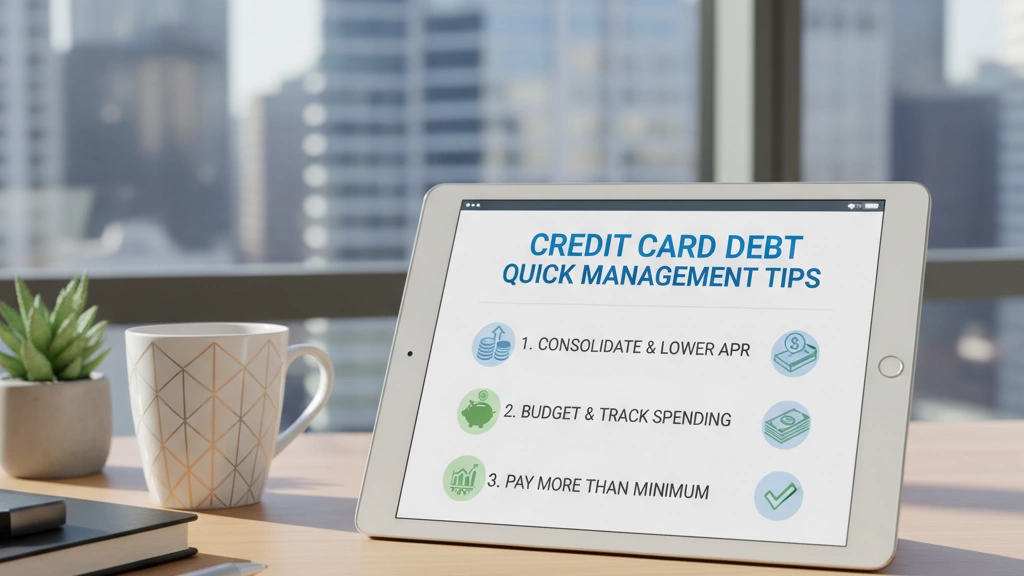
Small daily habits add up big when you’re trying to pay off credit card debt fast. Here are some simple but powerful moves you can start right now:
-
The 48-hour rule: Before you buy anything non-essential, wait 48 hours. This pause helps beat impulse spending and keeps your debt from growing.
-
7-day no-spend challenge: Try going one week without spending on anything except bills and essentials. It resets your mindset and often reveals unnecessary expenses.
-
Automate minimum payments: Set up automatic payments for at least the minimum to avoid late fees and protect your credit score.
-
Add an extra “snowflake” payment weekly: Even small extra payments, like $5 or $10 a week, chip away at your balance faster. These “snowflake” payments can speed up the payoff without stress.
-
Cut expenses without feeling deprived: Focus on easy-to-trim categories that save $500+ per month, such as:
- Eating out less
- Cancelling unused subscriptions
- Switching to cheaper phone or internet plans
- Buying generic brands
- Reducing energy use at home
By building these habits, you’ll stop living paycheck to paycheck and gain real headway toward credit card debt relief options in 2025.
Advanced but Still Quick Tactics
When it comes to paying off credit card debt fast, using windfalls wisely can make a big difference. Whether it’s a tax refund, a work bonus, or extra cash from a side hustle, applying these funds directly to your debt speeds things up. A smart way to manage this is following the 50/30/20 debt rule:
- 50% for essentials (bills, groceries)
- 30% for wants
- 20% straight to debt repayment
This keeps your budget balanced while still knocking down debt faster.
Speaking of side hustles, today there are realistic options that can add $500 to $2,000 per month extra. Think delivery driving, freelancing, online tutoring, or selling handmade goods. These can boost your income without huge time commitments, helping you pay down debt quicker.
If your debt feels overwhelming, don’t hesitate to explore nonprofit credit counseling or debt management plans. These services can negotiate lower interest rates or create manageable payment plans. Just be sure to choose reputable agencies—your local financial consumer protection office can recommend trustworthy options. Working with professionals can be the difference between dragging debt out and finally getting ahead.
Protect Your Credit Score While Paying Off Debt
When you’re working to pay off credit card debt, keeping your credit score healthy is key. Here’s what really matters:
-
Minimum payments and on-time history beat utilization short-term: While high credit utilization (how much of your credit limit you use) can hurt your score, consistently making at least the minimum payment on time has a bigger positive impact in the short run. So, never miss a payment—even if you can only pay the minimum.
-
Don’t rush to close paid-off cards: Closing cards can lower your available credit and increase your utilization ratio, which may tank your credit score. Instead, keep them open, especially if they have no annual fee. Use them occasionally for small purchases and pay off right away to keep the account active without adding debt.
-
Safest way to close cards: If you must close a card, do it after paying down other balances so your overall utilization stays low. Also, consider keeping your oldest cards open longest to protect your credit history length.
By focusing on on-time payments and smartly managing card closures, you protect your credit score while you chip away at credit card debt. This balance keeps doors open for better rates and credit options down the line.
Long-Term Prevention (So You Never Repeat This)
Once you’ve tackled your credit card debt, the goal is to never fall back into the same trap. Two key strategies help with this: choosing the right cards and building a solid emergency fund.
Best Cash-Back & Rewards Cards After Debt
If you’ve had credit card debt issues, look for cards designed with low interest or rewards that don’t encourage overspending. Focus on:
- Cash-back cards with no annual fee: They give you money back on everyday purchases without added costs.
- Cards with intro 0% APR offers: Great for occasional big buys if you can pay off before interest kicks in.
- Cards with simple rewards programs: Avoid complex points systems that tempt you to spend more.
- Credit-builder cards: If your credit’s been hit, these help rebuild your score safely.
Examples include popular global options that reward responsible use without high fees or aggressive marketing.
Building a Freedom Fund: Your Emergency Buffer
The best safety net against future debt is a “freedom fund”—a cash stash covering 3 to 6 months of living expenses. Here’s why it works:
- Stops you using credit cards for unexpected costs like car repairs or medical bills.
- Gives peace of mind, reducing stress around money.
- Helps you avoid living paycheck to paycheck again.
Start small by saving a bit each week, maybe $20 or $50, and build up gradually. Automate transfers to a separate savings account if you can. Over time, you’ll have a cushion that keeps you on track and away from credit card debt.
This long-term approach combines smart card choices with solid savings habits to keep your finances healthy and debt-free for good.