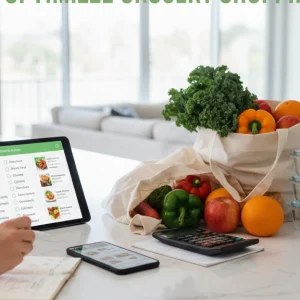

Master Pre-Shopping Preparation: Why Prep Matters
Before you even step foot in the grocery store, getting your prep game right is the secret to saving serious cash. Think of it like this: without a plan, grocery shopping can quickly turn into a budget buster. But with a little prep, you control what goes in your cart—and your wallet.
Build a Realistic Grocery Budget
Start by figuring out exactly how much you can spend each week. Use a weekly grocery budget template to map out your needs versus wants. Be honest—include the treats but keep limits clear. This stops impulse buys from sneaking in and blowing your budget.
Create a Meal Plan That Fits Your Life
Meal planning isn’t about rigid rules; it’s your ticket to meal planning on a budget that suits your schedule. When you plan meals around what’s already in your pantry or freezer, plus what’s on sale, you’re cutting waste and stretching every dollar.
Craft the Ultimate Shopping List
A solid, realistic shopping list is your smart shopping list tip number one. Write down exactly what you need, based on your meal plan and pantry audit. Avoid broad “buy some veggies” notes—get specific, like “2 bell peppers” or “1 pound chicken.” This clarity keeps your spending focused.
Audit Your Pantry and Freezer
Before you shop, do a quick inventory. Check what’s hiding in your pantry and freezer with a simple pantry inventory checklist. You might find forgotten staples or ingredients to remix into meals. This reduces unnecessary purchases and food waste, helping your budget stretch further.
Pro Tip: Combining a pantry audit with your meal plan can save you an average of 15% on grocery bills—something my family can definitely cheers to!
Hunt for Deals and Discounts
Finding ways to save while grocery shopping goes beyond just picking the cheapest item on the shelf. Here’s how to get the most value using smart strategies that really work.
Leverage Loyalty Programs and Apps
Most supermarkets offer loyalty cards or apps that give you exclusive discounts, points, or cashback. Signing up is usually free and can lead to significant grocery savings strategies over time.
- Use store apps to check for digital coupons and personalized deals before you shop.
- Keep your loyalty card handy to stack discounts on sale items.
Decode Sales Cycles and Unit Pricing
Understanding when stores switch their sales can help you time your purchases. For example, fresh produce and meat often go on a weekly cycle. Learn to:
- Track these sale days to buy essentials at their lowest price.
- Use unit price comparison guides printed on shelf tags to find the best deal per weight or volume, helping you avoid paying more for smaller packages.
Clip Coupons Without the Clutter
Coupons can save you a lot, but paper clutter isn’t worth it. Instead:
- Use digital coupons via store apps or websites.
- Combine coupons with sale items for the best discounts (“coupon stacking techniques”).
- Avoid buying items just because you have coupons—stick to your list.
Explore Bulk and Alternative Buying
Buying in bulk or exploring non-traditional retailers can reduce costs, but it’s not for everyone. Consider:
- Bulk buying staples like rice, beans, or frozen veggies if you have space and will use them before spoiling.
- Checking out warehouse clubs or wholesale markets for deals on family-sized items.
- Balancing bulk savings against potential waste—this ties into food waste reduction hacks.
Seasonal and Local Sourcing Hacks
Buying seasonal, local produce often means better prices and fresher food. Here’s how to make it work:
- Visit farmers’ markets or look for in-store seasonal produce sections.
- Plan meals around what’s in season to catch seasonal produce deals.
- Local sourcing supports community growers and can cut down on transportation costs, reflecting in your grocery budget.
By combining these approaches, you’ll turn hunting for deals into a smart strategy, not just a lucky find. This way, your weekly grocery budget stretches further without sacrificing quality or variety.
In-Store Execution for Grocery Savings
Timing Your Trips for Maximum Value
When it comes to grocery savings strategies, timing is everything. Visiting the store during off-peak hours helps you avoid crowds and find freshly stocked deals. Early mornings or late evenings often have markdowns on perishable items. Also, shop right after sales start to catch the best bargains before they run out.
Smart Cart Navigation
A smart shopping list is only as good as how you navigate the store. Stick to your list and avoid aisles that tempt impulse buys. Start with non-perishables or items on sale, then move to fresh produce and refrigerated goods. This method keeps you focused, reduces food waste, and helps you stick to your grocery budget.
Portion Control at Checkout
Watch your cart’s total before you get to the register. If you’re over your budget, quickly assess and put back non-essential items. This simple habit prevents overspending and impulse buys. Remember, portion control isn’t just for eating—it’s about controlling how much you bring home.
Cash or Card? Payment Smarts
Paying upfront with cash can make you more aware of spending and help curb extra purchases. On the other hand, using loyalty cards or store apps often unlocks rewards, discounts, and coupon stacking techniques. Choose the method that aligns best with your financial goals and grocery savings strategies.
By combining smart timing, focused shopping, portion control, and smart payment options, you can make your grocery trips both efficient and budget-friendly.
Post-Shop Optimization: Unpack and Organize Efficiently
Right after your grocery trip, take time to unpack and organize your items. Sort perishable goods like dairy, meat, and produce into the fridge or freezer immediately to keep them fresh longer. Use a pantry inventory checklist to stack dry goods clearly, so you know what you have and avoid buying duplicates. Keeping your kitchen tidy saves money by reducing food waste and makes it easier to plan meals.
Batch Cooking and Freezer Strategies
Batch cooking is a game changer for saving money and time. Cook large portions of meals and freeze them in individual or family-size servings. This not only helps with meal planning on a budget but reduces the temptation for costly takeout. Try swapping fresh ingredients with good-quality frozen alternatives to stretch your budget further without sacrificing nutrition. Label everything with dates to keep track of freshness and avoid freezer clutter.
Track and Tweak Your Progress
Tracking your spending helps you stay on top of your weekly grocery budget template. Use simple apps or notes to monitor how much you spend, what items often go to waste, and which deals benefit you most. Adjust your shopping habits based on this data—maybe try different stores, brands, or switch bulk amounts. Regularly tweaking your routine will optimize your savings and help you shop smarter.
Common Pitfalls and Fixes
- Impulse Buy Prevention: Stick to your smart shopping list to avoid last-minute splurges.
- Overbuying Bulk: Only buy bulk items you know you\’ll use to prevent waste.
- Ignoring Sales Cycles: Learn when your store discounts common items to buy at the lowest price.
- Not Using Loyalty Programs: Missing out on loyalty program rewards can cost you savings over time.
- Poor Portion Control at Checkout: Check quantities carefully; bigger isn’t always cheaper if it leads to waste.
Keep an eye on these pitfalls to make your grocery shopping more efficient and budget-friendly every time.