Why Seasonal Workers Need a Special Budget
If you work seasonally, you know the drill: some months bring a flood of paychecks, while others bring radio silence. This extreme income fluctuation isn’t just annoying—it can make managing money downright stressful. Studies show that seasonal and gig workers can see income swings of 50% or more between peak and off-peak months. Without a tailored approach, it’s easy to fall into common traps like overspending during “feast” months, scrambling to pay bills in the “famine” months, or neglecting savings altogether.
Typical money mistakes for seasonal workers include:
- Living paycheck to paycheck during work periods
- Ignoring taxes, especially if you’re a 1099 contractor
- Failing to plan for off-season expenses
- Not building an emergency fund for gaps between jobs
The real goal? To turn your up-and-down income into a steady, predictable monthly spending plan. That way, your finances feel stable year-round, no matter how irregular your paychecks are. This approach gives you confidence, cuts stress, and makes budgeting something you actually stick to—season after season.
Core Principles Behind This Seasonal Worker Budget Template
This seasonal worker budget template is built on a few simple, effective ideas that help turn irregular income into steady, manageable money flow.
Zero-based budgeting: Every dollar you earn gets assigned a job — nothing is left unplanned. This keeps your spending tight and purposeful, especially when cash isn’t consistent.
Annual budgeting disguised as monthly: Instead of just focusing on month-to-month, this template breaks your yearly income and expenses into monthly chunks. It gives you the bigger picture so you can prepare for slower months without stress.
Income smoothing with sinking funds and off-season buffers: To handle feast-and-famine income cycles, the template includes sinking funds — set-aside cash buckets for big annual bills and seasonal expenses. Plus, it builds an off-season buffer to cover those months when work slows or stops.
Separate tax categories for 1099 workers: If you’re a 1099 seasonal worker or contractor, taxes aren’t taken out automatically. This template helps you track and set aside enough money to cover quarterly tax payments and avoid surprises.
Together, these principles make budgeting manageable, even with income that swings wildly from month to month.
Download Your Free Seasonal Worker Monthly Budget Template
To make budgeting easier, I’ve created a free seasonal worker monthly budget template you can start using today. It’s available as a Google Sheets link you can access online anytime, plus an Excel download if you prefer working offline.
There are 3 versions to match different needs:
- Basic: Simple and straightforward, perfect if you’re new to budgeting or want to keep it minimal.
- Intermediate: Includes sinking funds, off-season savings, and a tax section for 1099 workers.
- Advanced: All features plus detailed income smoothing, automatic calculations, and visual trackers designed for complex seasonal income patterns.
Choose the one that fits you best and begin turning your irregular income into a manageable, predictable monthly budget.
How to Use the Monthly Budget Template – Step by Step

Using the seasonal worker budget spreadsheet is easier than you might think. Here’s how to get started:
-
Calculate your true “monthly baseline” income
Look at your income from the last year and find the average monthly amount after taxes. This is your baseline—the predictable amount you count on each month, even if your actual paychecks fluctuate.
-
List all fixed expenses
Write down all the regular bills you pay every month, like rent, utilities, insurance, and loan payments. These don’t change much, so they’re the foundation of your budget.
-
Build your off-season survival fund
This is your emergency buffer to cover months when you don’t earn. Set a goal for enough to cover several months of expenses and fund it little by little during your busy season.
-
Create sinking funds for annual expenses and feast-only categories
Break down big, yearly costs like car insurance, holiday spending, or equipment needs into manageable monthly amounts. Put those aside in sinking funds so they don’t hit you all at once.
-
Assign money when paychecks hit
The key to zero-based budgeting is giving every dollar a job. When a paycheck arrives, immediately allocate money to fixed expenses, sinking funds, off-season savings, and daily spending.
-
Handle $0 income months
Use your off-season survival fund to cover expenses. Since your budget is based on smoothed income, continue spending at a steady, manageable level even if no paycheck shows up.
-
Adjust mid-season if hours change
Seasonal work hours can shift. If your income changes, recalculate your baseline income and tweak your budget accordingly. This keeps your plan realistic and stress-free.
With this method, your income smoothing calculator and paycheck allocation method work together, turning feast and famine paychecks into a steady, manageable monthly budget.
Template Walkthrough (With Screenshots)
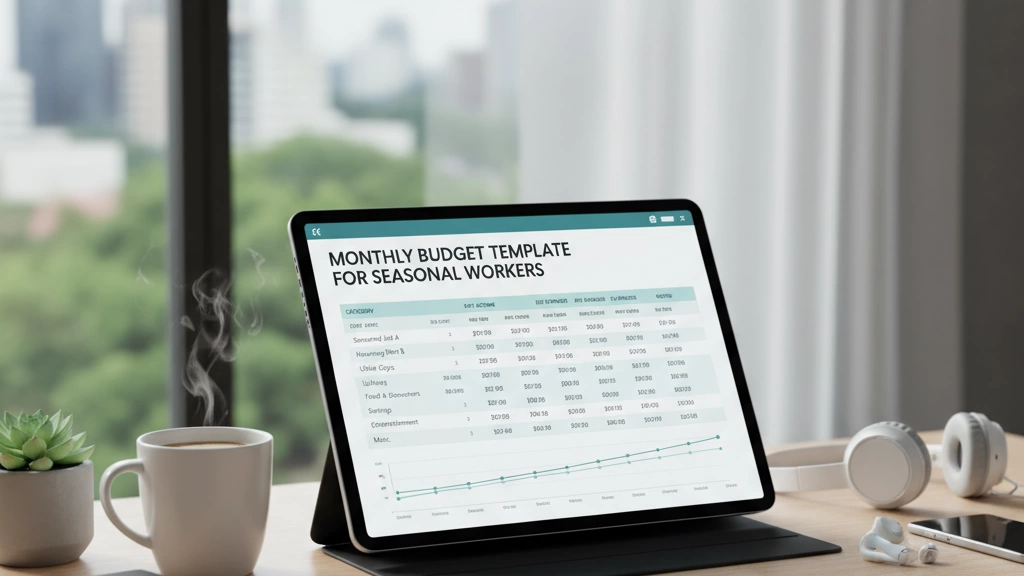
Let’s break down the Monthly Budget Template for Seasonal Workers, step by step, so you know exactly how it works.
Income Section: Actual vs Smoothed
This part shows your real income each month alongside a “smoothed” income line. Instead of treating every paycheck as only what you earned that month, the template averages your income over the year. This helps you avoid feast-and-famine cash flow and gives a clear view of what you can safely spend monthly.
Tax Withholding Estimator
If you’re a 1099 seasonal worker, taxes aren’t automatically taken out. The template includes a simple tax estimator. It helps you calculate how much you need to set aside from each paycheck to cover quarterly taxes — so you won’t get caught off guard when tax time comes.
Priority Buckets
The budget divides your money into priority buckets, like necessities, savings, and “feast only” categories for extra spending. This structure helps you focus on what matters most and keeps your spending in check during lean months.
Visual Sinking Fund Tracker
Here’s where the template shines: a clear visual tracker for sinking funds. These are planned savings for things like gear upgrades, seasonal bills, or off-season expenses. Watching these funds grow piece by piece makes staying disciplined easier.
Monthly Expense Categories Tailored to Seasonal Lifestyles
Expenses aren’t one-size-fits-all—especially for seasonal workers. The template includes common expense categories specific to seasonal lifestyles, like travel between gigs, equipment maintenance, or off-season housing. This means your budget truly reflects your unique needs.
With this walkthrough, you’ll get a hands-on feel for how the seasonal worker budget spreadsheet simplifies managing irregular income and smooths out your financial ups and downs.
Real-Life Examples from Seasonal Workers
Seeing how others manage seasonal income can be a huge confidence boost. Here are some real stories from seasonal workers who used budgeting to stay on track:
-
Ski Instructor Saved $12,000
By using a zero-based budget and sinking funds, this ski instructor set aside money during the busy winter months. The money covered off-season bills and helped build a $12k emergency fund, giving peace of mind when work slowed.
-
Harvest Worker Survived 7 Months Off
With irregular pay and a long off-season, a harvest worker created an off-season survival fund. By smoothing income and cutting unnecessary expenses, they stayed financially stable for seven months without income.
-
Retail Holiday Staff Paid Off $8,000 Debt
Working only during holiday seasons, this retail employee used an intermediate budget template to track income and expenses closely. The plan prioritized debt repayment, and within two years, they cleared $8,000 in credit card debt.
These examples show that with the right seasonal worker budget spreadsheet, irregular income doesn’t have to mean financial stress. Whether you’re dealing with feast and famine budgeting or building sinking funds, a tailored monthly budget helps you manage money smarter all year round.
Advanced Tips to Make Irregular Income Even Easier
Managing irregular income gets smoother with a few smart moves. Here are some advanced tips to help you stay on track:
-
Use High-Yield Savings Accounts: Parking your off-season buffer and sinking funds in a high-yield savings account grows your money faster than a regular checking account. Look for accounts with no fees and easy online access.
-
Consider Side Hustles: A steady side hustle—like freelance gigs or selling online—can fill income gaps during slow months. Track side hustle earnings separately using your seasonal worker budget spreadsheet to keep things clear.
-
Automate Transfers on Payday: Set up automatic transfers to your sinking funds, tax savings, and off-season fund as soon as your paycheck hits. This enforces discipline and keeps your “income smoothing” plan working without stress.
-
Follow a Quarterly Tax Payment Schedule: For 1099 seasonal workers, paying estimated taxes quarterly helps avoid big bills at tax time. Use the included tax worksheet link in the budget template to calculate what you owe and when to pay.
Using these tips alongside your irregular income budget template can turn feast and famine budgeting into a manageable, predictable process.
Common Questions About Budgeting on Seasonal Income
How much to save during the “on” season?
Aim to save at least 30-50% of your income during the months you work. This builds your off-season survival fund and covers bigger expenses like taxes and annual bills. The exact percentage depends on your lifestyle and how long your off-season is. The key is to start small and increase savings as you get comfortable.
Should I use one or multiple bank accounts?
Using multiple accounts helps with “income smoothing.” For example, keep one account for everyday expenses and another as an off-season buffer or sinking fund. It’s easier to see how much is truly available for spending vs. what’s reserved for later. You can also open a high-yield savings account to grow your off-season savings faster.
How to handle overlapping seasonal jobs?
If you work two or more seasonal jobs with overlapping income, track each income source separately. This helps you budget more accurately and avoid overspending during slow months. Use the template’s “income smoothing” feature to combine income streams and create one predictable monthly amount.
What about healthcare without a year-round employer?
Without employer benefits, consider the healthcare marketplace or private plans. Budget for premiums and out-of-pocket costs ahead of time by setting up sinking funds monthly, so you’re not caught off guard. Some seasonal workers also qualify for government assistance—check local options.
Is this template useful for gig workers?
Absolutely. Gig workers face similar irregular income challenges. The zero-based budget and off-season savings strategies apply well here. You can customize the template to track multiple gigs, handle 1099 taxes, and create sinking funds for quarterly tax payments and annual expenses.
This Seasonal Worker Monthly Budget Template is designed to flex with your income, whatever seasonal or gig work you do.