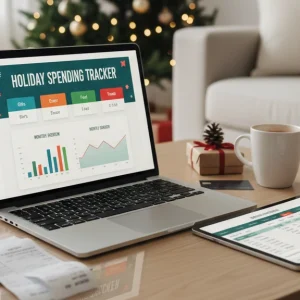
If you’re like most people, holiday spending habits spiral out of control long before the season even kicks off. In fact, the average American planned to spend over $1,000 this year—yikes, right? Without a solid way to track spending habits during holiday seasons, it’s all too easy to blow your budget, rack up credit card debt, and wake up in January wishing you’d been more intentional.
That’s exactly why this guide is your new best friend for 2025. You’re about to learn how to monitor your holiday expenses in real time, use actionable tools and templates, and sidestep those sneaky spending leaks that everyone falls for. No fluff, just practical steps to help you enjoy the holidays without the financial hangover. Ready to take control and avoid that familiar January regret? Let’s dive in.
Step 1 – Set Up Your Holiday Budget Before November Hits
Getting your holiday budget ready before November is the secret sauce to avoiding last-minute splurges and debt. A holiday-specific budget isn’t just your regular monthly budget with an extra line for gifts—it’s a focused plan tailored to the unique expenses that pop up during the festive season.
Regular Budget vs. Holiday Budget
| Regular Budget | Holiday Budget |
|---|---|
| Covers ongoing expenses (rent, utilities, groceries) | Focuses on seasonal expenses only |
| Steady spending patterns | Spikes in gift buying, travel, and parties |
| Often monthly or yearly | Usually 2-3 months (Nov-Jan) |
Key Holiday Budget Categories for 2025
To stay on track, break down your holiday spending into these important categories:
- Gifts: Presents for family, friends, coworkers
- Travel: Flights, gas, accommodation, rideshare
- Entertaining/Hosting: Parties, dinners, and supplies
- Decorations: Lights, ornaments, wreaths
- Charitable Donations: Gifts to nonprofits or community drives
- Clothing: Holiday outfits and accessories
- Food & Alcohol: Special treats and party beverages
- Shipping: Delivery fees, gift wrapping, postage
- Experiences: Tickets for events, holiday outings, activities
Steal This: Free Holiday Budget Template for 2025
Set yourself up for success with a free downloadable holiday budget template designed to make tracking easy and visual. It includes all the key categories above, with space to note your planned vs. actual spending.
Do this tonight: Download a free holiday budget tracker (Google Sheets or Excel), plug in your estimated numbers, and adjust as the season gets rolling.
By starting your holiday-specific budget early, you’re not just avoiding holiday overspending—you’re walking into the season confident and in control. Trust me, your January self will thank you.
Step 2 – Choose the Right Tracking Method for Your Personality
Picking a holiday budget tracker that fits how you like to work makes staying on top of spending way easier. Here are four popular approaches, so you can find your best fit:
| Method | Description | Why It Works for You |
|---|---|---|
| Spreadsheet Warriors | Use Google Sheets or Excel templates designed for holiday budgets. | If you like control and customizing your Christmas spending spreadsheet. Great for detail lovers! |
| App Lovers | Top 7 apps for 2025: Mint, YNAB, PocketGuard, Monarch, Rocket Money, Copilot, Spendee. These apps sync accounts, categorize spending, and send alerts. | Ideal if you want a real-time holiday spending app that automates tracking and reminders. |
| Pen-and-Paper Fans | Printable trackers or simple notebooks for handwritten notes and totals. | Perfect if you remember better by writing and want to stay away from screens. |
| Bank/Credit Card Tools | Built-in tracking and categorization features from your bank or card provider plus simple hacks to label holiday-specific spending. | Best for those who prefer using what they already have, with minimal extra effort. |
Each method helps you start your holiday sinking fund and avoid holiday debt by making your spending visible. Choose one that feels natural and stick with it to keep your December budget categories on track!
Step 3 – Daily & Weekly Tracking Routines That Actually Work
Sticking to your holiday budget means making tracking a simple habit—not a chore. Here’s how to keep it manageable with two easy routines:
The 2-Minute Evening Ritual
Spend just two minutes each evening quickly logging your spending from the day. Whether you jot it down in your holiday budget tracker 2025 spreadsheet, enter it into an app, or update your printable tracker, the key is consistency. This keeps your numbers fresh and helps avoid that post-holiday financial hangover.
Weekly 15-Minute Review Checklist
Set aside 15 minutes once a week for a deeper look:
- Check your total spending in each December budget category (gifts, food & alcohol, travel, etc.)
- Compare actual spending to your holiday budget goals
- Note any red flags like overspending on impulse buys or shipping costs
- Adjust your plan for the coming week to stay on track
Handling Cash and Gift Cards
Cash and gift cards can easily slip through the cracks. Treat them like digital transactions by:
- Logging cash withdrawals immediately in your tracker
- Tracking gift card usage just like credit card charges, noting where and when you spend them
Use Phone Photos of Receipts as Backup
Instead of saving piles of paper, snap photos of your receipts with your phone. This keeps everything organized and searchable, making it easier to revisit details if needed. It’s a smart backup, especially if you need to verify purchases later or for returns.
By adding these simple daily and weekly steps, you’re less likely to overspend or lose track of what you’ve spent, helping you avoid holiday overspending statistics and enjoy a smoother financial season.
Step 4 – Spot and Stop the 10 Biggest Holiday Spending Leaks
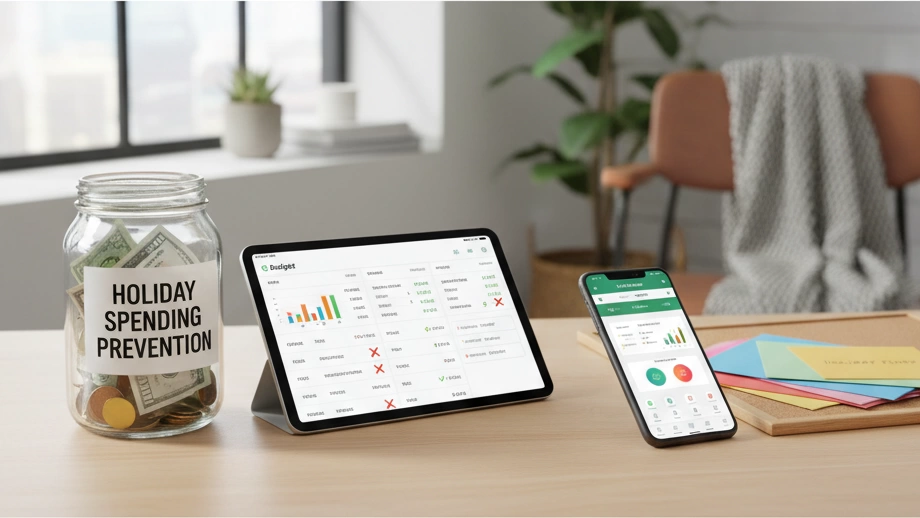
Holiday spending can quickly spiral out of control if you don’t watch out for common money traps. Here are the 10 biggest leaks that often blow up holiday budgets in 2025:
-
Impulse online deals (Black Friday/Cyber Monday)
Those flash sales are tempting, but buying things you don’t really need just because they’re “on sale” adds up fast. Use your holiday budget tracker 2025 to check if the deal fits your plan before clicking “buy.”
-
“Just one more” gift additions
Sneaking in extra presents because “one more won’t hurt” can throw off your gift budget per person template. Stick to your list and budget.
-
Shipping and wrapping costs
These are sneaky expenses that add extra dollars to each gift. Factor shipping fees and wrapping supplies into your December budget categories so you don’t get caught off guard.
-
Holiday outfits and beauty
A new holiday party outfit or expensive salon trip feels like a treat but can quickly blow your clothes and beauty budget. Set a limit and track spending carefully.
-
Overbuying food and alcohol for parties
It’s easy to go overboard hosting or attending events. Plan your meals and drinks in advance and stick to estimated amounts in your holiday expense template.
-
Subscription traps (streaming, beauty boxes)
New subscriptions started “for the holidays” can linger and drain your account beyond December. Check recurring charges before you commit.
-
Travel creep (upgrades, activities)
Booking flights or hotels is one thing, but adding upgrades, tours, or last-minute activities can send travel costs soaring. Keep a close eye on your travel category.
-
Charitable giving guilt
Feeling pressured to give more than you planned? It’s generous but can wreck your budget fast. Decide on your total charitable donations ahead of time and track them.
-
Decorations and seasonal items
Every year, buying new decorations, lights, or seasonal gadgets adds up. Use your budget to limit these extras and maybe reuse last year’s stash.
-
Eating out “because it’s the holidays”
Holiday meals out happen often, but they can add up quickly. Try limiting restaurant visits and track these expenses separately to avoid surprises.
Keep an eye on these common leaks and you’ll be much better at avoiding holiday overspending. Sticking to your budget means more joy and less January credit card regret!
Step 5 – Analyze Your Data Mid-Season and Course-Correct
A mid-season budget check around December 15 is key to staying on track. By this point, most holiday spending is underway, so you have enough data to see patterns and make smart adjustments.
Watch for Red Flags and Green Flags
Red flags:
- Spending way over your initial holiday budget tracker 2025 totals.
- New categories popping up that weren’t planned, like last-minute gift additions or extra travel costs.
- Running low on your holiday sinking fund or cash stash.
- Multiple surprise charges on your credit cards causing January credit card regret.
Green flags:
- Staying within or under your allocated amounts for main categories like gifts, travel, and entertaining.
- Seeing leftover funds in flexible categories like decorations or experiences.
- Consistent daily or weekly tracking without missing entries.
How to Cut Back Without Feeling Deprived
- Focus on essentials: Prioritize gifting and travel over upgrading holiday outfits or buying extra non-essentials.
- Use what you have: Reuse decorations and skip new “holiday-only” purchases.
- Swap expenses: For example, cook at home instead of eating out “because it’s the holidays.”
- Pause charitable giving guilt: It’s okay to give thoughtfully—not impulsively.
- Freeze new “just one more” buys: Avoid impulse purchases by reminding yourself of your zero-based holiday budget.
Doing this mid-season review helps avoid the dreaded post-holiday financial hangover and keeps your spending realistic and stress-free through the end of 2025.
Step 6 – Post-Holiday Review: Turn 2025 Data Into a Better 2026
After the holiday buzz dies down, January is the perfect time to review your 2025 holiday budget tracker and plan smarter for next year. Here’s how to make the most of your data:
Questions to Ask Yourself in January
- Did I stick to my holiday budget?
- Which categories blew my budget? Gifts, food, travel?
- Where did impulse spending sneak in?
- What worked: tracking methods, sinking funds, or apps?
- How did using gift budget per person templates help?
- Do I still have holiday debt or January credit card regret?
Export and Store Your Data
Get your numbers off your app or spreadsheet and save them in one place:
- Export files as Excel, CSV, or PDF for easy access.
- Use cloud storage like Google Drive or Dropbox for security and convenience.
- Keep your receipts and digital notes organized for reference.
Create Your Personal Holiday Spending Report
Turn raw numbers into insights by:
- Summarizing total spend by category (gifts, travel, food, etc.)
- Highlighting areas where you overspent or stayed on track
- Comparing 2025 spending with past years if you have data
- Setting goals for 2026 with zero-based holiday budget ideas
- Planning a holiday sinking fund based on past overspending
This post-holiday review helps avoid the dreaded post-holiday financial hangover and starts your 2026 budget with confidence. Keep it simple, stay honest, and use your past spending habits to improve your future holiday seasons.
Bonus Tools & Resources for 2025
To make tracking your holiday spending easier this year, here are some top free holiday expense tracker templates you can use right away:
- Google Sheets: Simple, customizable spreadsheets you can access anywhere.
- Notion templates: Great if you like combining notes and budgeting in one place.
- PDF trackers: Printable versions for those who prefer pen and paper.
If you shop online, browser extensions can help you spot deals and save money—but be careful. Some tools add unnecessary spending temptations or collect data, so use them wisely.
Zero-based holiday budgeting is a smart method to give every dollar a job, avoiding leftover cash that might get wasted. It’s perfect for keeping your budget tight without stress.
Finally, think about setting up a holiday sinking fund for next year. Putting aside a little money each month helps you avoid debt and overspending when the season rolls around again.
FAQs About Tracking Spending Habits During Holiday Seasons
How much does the average person spend on Christmas gifts in 2025?
In 2025, the average person is expected to spend around $900 on Christmas gifts. This number can vary depending on location, family size, and personal traditions, but it’s a good benchmark for setting your own gift budget per person.
What is the 50/30/20 rule for holiday budgeting?
The 50/30/20 rule divides your holiday budget into three parts:
- 50% Needs: Essentials like food, travel, and gifts.
- 30% Wants: Extras such as decorations, experiences, or holiday outfits.
- 20% Savings/Debt Paydown: Keeping your spending in check and avoiding holiday debt.
This simple rule helps keep holiday spending balanced and manageable.
Is it better to track spending daily or weekly during holidays?
Daily tracking is best if you want real-time control and to avoid surprises. However, if that feels too intense, a weekly 15-minute review can work well. The key is consistency—choose what fits your routine and keeps you accountable without stress.
What are the best free apps to track holiday expenses?
Top free apps for holiday budget tracking in 2025 include Mint, PocketGuard, and Spendee. They offer real-time holiday spending updates, categorization features, and reminders that help prevent overspending.
How do I track spending if I use multiple credit cards?
Use budgeting apps like YNAB or Monarch that allow syncing multiple accounts. Alternatively, set up categories in your spreadsheet or manually consolidate purchases weekly. Whatever method you choose, regularly reviewing all cards together prevents January credit card regret and keeps your holiday budget accurate.