If you’re tired of living paycheck to paycheck, you\’re not alone—nearly 78% of Americans find themselves stuck in this cycle as of 2025. The constant stress of scrambling to cover bills and just get by can feel overwhelming, but there’s a way out. This isn’t about quick fixes or unrealistic budgets. Instead, it’s about building a sustainable budget cycle that works month after month, even when income fluctuates or life throws curveballs.
In this guide, you’ll discover a proven system to stop living paycheck to paycheck, gain control over your finances, and finally create the breathing room you deserve. Ready to break free and build a budget that actually works? Let’s get started.
Why Most People Stay Stuck in the Paycheck-to-Paycheck Trap
Ever wonder why breaking free from living paycheck to paycheck feels so impossible? You’re not alone. Most people get caught in this cycle because of a few common pitfalls that quietly chip away at their financial freedom.
Lifestyle creep is one of the biggest culprits. As income rises, spending tends to rise too—on nicer dinners, gadgets, or subscriptions—making it tough to actually save more. Without a solid emergency fund, even a small unexpected expense can throw everything off balance, forcing you to scramble or rely on high-interest credit.
Speaking of debt, high-interest loans and credit cards act like quicksand, pulling you deeper with every payment that\’s mostly interest instead of principal. When your money vanishes paying just the minimum, escaping the trap feels impossible.
There’s also a mental block: a fixed mindset about income. Many believe their paycheck is fixed and that financial improvement is out of reach, leading to the damaging “just getting by” mentality. This psychological state keeps you focused on immediate survival rather than long-term growth.
The truth? It’s rarely about how much you make—it’s about how you manage it. Recognizing these common hang-ups is the first step toward breaking free and building real financial breathing room. You can escape this cycle; it just starts with a shift in mindset and practical action.
The Old Way vs. The Sustainable Budget Cycle
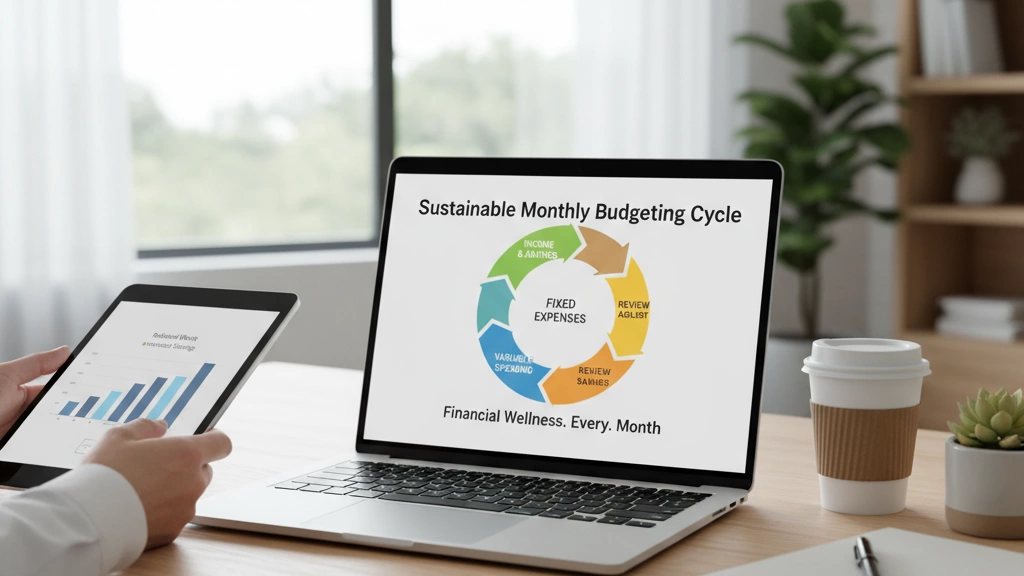
Most people try to stop living paycheck to paycheck using the traditional budgeting method: setting a yearly budget, then sticking rigidly to it no matter what. This approach often fails because life changes—bills can creep up, unexpected expenses happen, and income might fluctuate. When budgets don’t adapt, it feels like you’re always behind, which leads many to give up.
The better way is a rolling 30-day budget cycle. Instead of a fixed annual plan, this method resets every month, giving you a fresh start and a chance to improve. It’s flexible, practical, and reflects your real spending habits as they happen. Each cycle lets you track, adjust, and refine your budget based on what worked and what didn’t. This builds sustainable control over your money and helps you break the paycheck-to-paycheck trap for good.
Here’s a quick look at the difference:
| Traditional Budget | Sustainable 30-Day Cycle |
|---|---|
| Set once per year | Resets and improves every month |
| Rigid, hard to adjust | Flexible with your actual income & bills |
| Feels overwhelming or discouraging | Encourages small wins and progress |
| Ignores irregular income changes | Handles varying paychecks and expenses |
| Often leads to “all or nothing” mindset | Builds lasting habits with realistic goals |
Switching to a monthly budget cycle gives you financial breathing room and a clear, workable path to breaking free from living paycheck to paycheck.
Step 1 – Face Reality: Track Every Dollar for 30 Days
Before you can stop living paycheck to paycheck, you have to know exactly where your money goes. Tracking every dollar for 30 days is the first and most important step. Cutting expenses without tracking is guessing — and guessing leads to frustration and failure.
Why Tracking Comes Before Cutting
When you see your real spending habits, you spot leaks and lifestyle creep you didn’t notice before. It gives you control and sets the foundation for a zero-based budgeting system. Without tracking, cutting is just wishful thinking.
Best Free Apps and Manual Methods for 2025
Here are some top tools for tracking your money, whether you want automation or prefer manual control:
- Free Apps:
- Mint: Great for linking bank accounts and categorizing spending automatically.
- EveryDollar: Simple zero-based budgeting app with an easy user interface.
- Goodbudget: Envelope budgeting style, perfect for manual tracking.
- Manual Methods:
- Use a plain spreadsheet or a budget notebook.
- Write down every purchase, bill, and income source daily to stay sharp.
2025 updates make many apps GDPR-compliant and faster with real-time alerts, so pick what fits your style.
What to Track
Don’t just track random expenses. Focus on:
- Fixed bills: Rent/mortgage, utilities, subscriptions.
- Variable spending: Groceries, dining out, transport, entertainment.
- Debt payments: Minimum payments plus any extra you put toward principal.
- Income sources: Salary, side gigs, irregular payments.
Track everything, even small cash purchases — they add up faster than you think. After 30 days, you’ll have a clear picture of your cash flow and where your budget needs tightening.
Tracking every dollar creates financial breathing room. It’s the first step to building a sustainable budget cycle and finally breaking the paycheck to paycheck cycle.
Step 2 – Build Your Zero-Based Budget Foundation
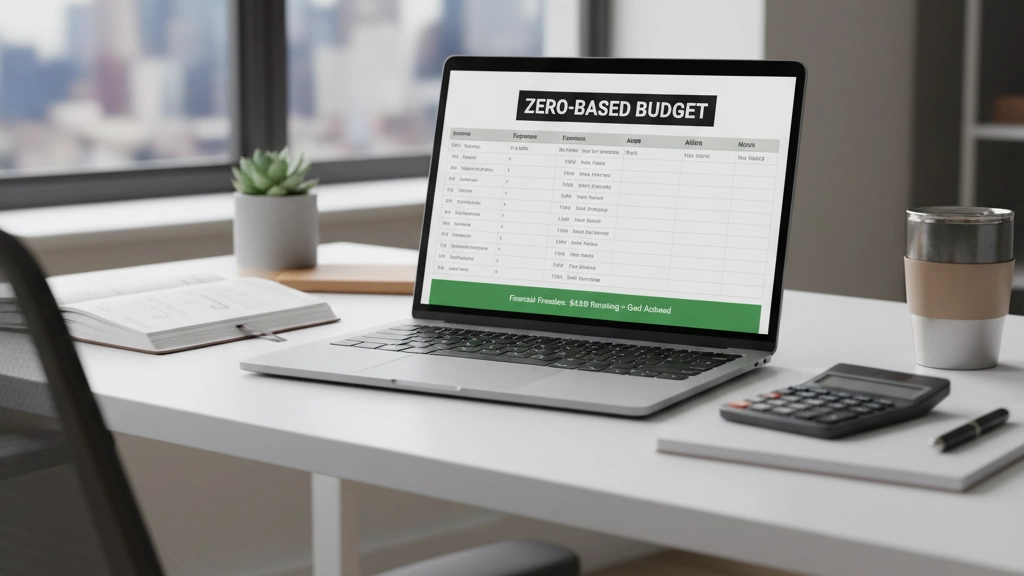
Zero-based budgeting is simple: every dollar you earn gets a job. You start with your income and assign money to expenses until nothing is left unallocated. This way, you know exactly where every dollar goes—no surprises, no wasted cash.
Here’s the order to assign your money:
- Survival first – Cover the essentials like rent or mortgage, utilities, groceries, and transportation.
- Debt snowball – Pay minimum debt payments, then throw extra cash at the smallest debt to clear it faster.
- Save and invest – Aim to put 10–20% of your income into savings or investments. This builds your emergency fund and future wealth.
- Everything else – Use what’s left for fun, personal spending, or non-essentials.
This approach stops you from spending by guesswork and helps prevent lifestyle creep because you control where your money goes.
To get started, use this free downloadable zero-based budget template [insert link]. It’s designed for 2025 and easy to tweak monthly as your situation changes.
Step 3 – Create Your Monthly Budget Cycle Calendar
Setting up a monthly budget cycle calendar helps you take control of your money, especially when your paydays aren’t always the same. Whether you’re paid bi-weekly, weekly, or have irregular income, planning your budget around your cash flow keeps things smooth and stress-free.
Payday Timing Strategies
- Bi-weekly pay: You get paid every two weeks, which means most months have two paychecks, but twice a year, you’ll get a third paycheck. Use that extra payday as a bonus — boost savings, pay down debt, or add to your emergency fund.
- Weekly pay: Break your budget into smaller weekly amounts. Instead of a big monthly allotment, budget one week at a time, which keeps your spending in check and helps avoid surprise shortfalls.
- Irregular income (freelancers, gig workers): Base your budget on your lowest expected income month. When you earn more, save the extra instead of spending it, creating a buffer for leaner months.
The 4-Phase Monthly Cycle
Break your month into four easy phases:
- Fresh Start Week – Your money hits the account. This is when you allocate funds to bills, debts, essentials, and savings.
- Bills Week – Time to pay all your fixed expenses like rent, utilities, and subscriptions.
- Buffer Week – Use this week to cover variable spending like groceries, fuel, and personal needs. It’s also your safety net if something unexpected comes up.
- Wealth Week – Focus on growing your financial breathing room. Put extra funds into savings, investing, or bumping up debt snowball payments.
Handling 3 Paycheck Months or Irregular Income
- When you get three paychecks in a month, treat the extra one as a “bonus paycheck.” Don’t spend it impulsively—automate it to savings, debt, or investments.
- For irregular income, track your rolling 30-day cash flow carefully. Adjust your budget calendar monthly based on actual income, then update your spending and saving targets for the next cycle.
By using this monthly budget cycle calendar, you create a dynamic financial routine that flexes with your income—not the other way around. This approach dramatically helps people break the paycheck to paycheck cycle and build lasting financial control.
Step 4 – Automate and Protect the System
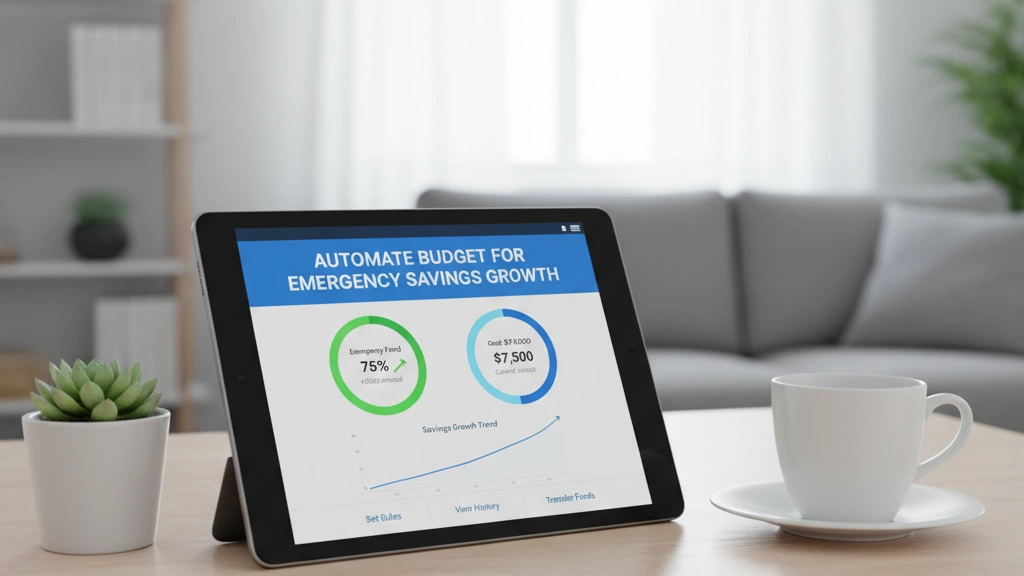
Automation is your best friend when it comes to stopping the paycheck-to-paycheck cycle. Once you set it up, your money flows smoothly without you stressing over due dates or forgotten transfers. Here’s a simple checklist to automate your budget:
- Bill Pay: Set up automatic payments for rent, utilities, and any fixed bills. This keeps your essentials on track and avoids late fees.
- Savings Transfers: Automate moving money to savings right after payday. This is the “pay yourself first” method in action—treat your savings like a non-negotiable expense.
- Debt Payments: Schedule automatic minimum payments or your debt snowball amounts to chip away at what you owe faster.
This system does two things: it protects you from missing payments and helps build financial breathing room.
Build Your $1,000 Starter Emergency Fund Fast
A $1,000 emergency fund is your first line of defense against surprises. To build it quickly:
- Automate small transfers—start with $25 or $50 weekly from each paycheck.
- Redirect any windfalls, like tax refunds or bonuses, directly into this fund.
- Pause non-essential spending until you hit your target.
Once you have that starter fund, you can budget with more confidence, knowing you’ve got a cushion to avoid falling back into the paycheck trap. Keep automating so this fund grows steadily without extra effort.
Step 5 – Cut Expenses Without Feeling Deprived
Cutting expenses doesn\’t have to mean giving up everything you enjoy. The 80/20 rule helps here: 80% of your savings often come from just 20% of your spending leaks. Focus on the biggest money drains first for real impact without feeling deprived.
Attack These Key Categories First:
- Subscriptions: Streaming, apps, magazines—you might be paying for more than you use. Cancel what you don’t need or share plans to cut bills in half.
- Dining Out: Eating out regularly adds up fast. Cooking more at home can save hundreds each month.
- Groceries: Meal planning and shopping sales help prevent overspending and food waste.
- Insurance: Shop around yearly for better rates on car, home, and health insurance.
- Utilities: Small habits like turning off lights, unplugging devices, and adjusting thermostat settings can lower bills.
Real Savings Examples for 2025:
- Cutting two streaming subscriptions: $30/month
- Reducing dining out by half: $150/month
- Smarter grocery shopping: $50/month
- Switching insurance providers: $40/month
These changes add up to nearly $270 saved monthly—money you can redirect into your budget cycle or emergency fund. Remember, the goal is smart trimming, not sacrifice. Small, strategic cuts create breathing room without feeling deprived.
Step 6 – Increase Income Streams (The Accelerator)
Adding extra income is the fastest way to speed up your journey out of living paycheck to paycheck. In 2025, quick-win side hustles are more accessible than ever and can fit around your main job or lifestyle. Here’s a simple list to get started fast:
- Freelance gigs: Writing, graphic design, social media management
- Ride-sharing or delivery: Uber, Lyft, DoorDash, or local alternatives
- Selling unused items: Online marketplaces like eBay, Facebook Marketplace, or local selling apps
- Tutoring or coaching: Language lessons, school subjects, music, or fitness
- Microtasks: Quick jobs on platforms like TaskRabbit or Amazon Mechanical Turk
Don’t forget to explore negotiating raises at work or asking for overtime if your employer allows it. These boosts add directly to your income without extra startup hassle.
Even small income increases make a big difference when folded into your sustainable budget cycle. Each extra dollar can:
- Help accelerate debt snowball payments
- Build your emergency fund faster
- Increase your investing or savings percentage
Think of these income boosts as an accelerator pedal—once pressed, they give your budget cycle more power and flexibility. The key is consistency: add every extra dollar to your budget thoughtfully. Over time, these small increases compound, giving you solid financial breathing room.
Real Success Stories & Timelines
Seeing real results can be the motivation you need to break the paycheck to paycheck cycle. Many people notice big improvements in just 3 to 6 months when they follow a sustainable budget cycle consistently.
Here are some anonymized examples:
- Sarah, $35K/year: Started tracking every dollar and used zero-based budgeting. After 4 months, she built a $1,000 emergency fund and paid off $2,000 in credit card debt.
- Mark, $50K/year: Focused on automating bills and cutting subscriptions. By month 5, he had an extra $300 monthly cash flow and started investing.
- Lena, $25K/year, irregular income: Used a monthly budget calendar with a buffer week to manage income swings. Three months in, she stopped needing payday loans.
Before-and-after budget snapshots show how focusing on survival expenses, tackling debt, and gradually building savings reshape finances. You’ll see less stress, more room to breathe, and real financial breathing room.
How Long It Takes to Stop Living Paycheck to Paycheck
- Under $30K income: 3 to 6 months to stabilize on a budget, build small emergency funds, and reduce debt.
- $30K–$60K income: 2 to 4 months to clear high-interest debt, automate finances, and save consistently.
- Above $60K income: 1 to 3 months to optimize spending, build wealth, and increase savings rate.
Remember, the key is consistent action on budget cycles, not perfection. These timelines are realistic and doable if you commit, track, and adjust every month.
Common Mistakes That Derail the Cycle (And How to Fix Them)
Many of us want to stop living paycheck to paycheck but end up stuck because of a few common mistakes. Here’s what trips people up—and how to fix these issues so your sustainable budget cycle keeps moving forward:
Waiting for “Perfect” Conditions
- Mistake: Putting off budgeting until income is steady, debt is gone, or bills get lower.
- Fix: Start NOW with what you have. A 30-day budget cycle adapts as your situation changes. Perfect conditions rarely come, but progress does with action.
Lifestyle Inflation After Raises
- Mistake: When income goes up, spending goes up just as fast—no extra savings happens.
- Fix: Use part of every raise or bonus to boost your savings or debt snowball. Keeping lifestyle creep in check builds real financial breathing room.
Ignoring Sinking Funds
- Mistake: Overlooking small, planned savings for irregular expenses like car repairs or annual insurance bills.
- Fix: Set up sinking funds within your zero-based budget. This prevents surprise expenses from breaking your cycle or forcing last-minute debt.
Skipping Automation
- Mistake: Managing bills and savings manually makes it easier to miss payments and lose track.
- Fix: Automate bills, savings transfers, and debt payments. “Pay yourself first” becomes effortless, protecting your budget and peace of mind.
Not Adjusting for Irregular Income
- Mistake: Treating uneven paychecks like steady income leads to shortfalls and stress.
- Fix: Plan your monthly budget cycle around your actual payday schedule—bi-weekly, weekly, or irregular—and build buffer weeks to catch fluctuations.
Neglecting Emergency Funds
- Mistake: Assuming emergency funds aren’t urgent or skipping building one fast.
- Fix: Set a $1,000 starter emergency fund as a top priority. Small, consistent deposits make it happen quicker than you think.
By spotting these pitfalls and applying these fixes, you\’ll keep your budget cycle steady—and finally break free from living paycheck to paycheck.
Tools & Resources You’ll Actually Use in 2025
Keeping your budget on track gets easier with the right tools. Here are some of the best budgeting apps and resources that work well in 2025, whether you want free or paid options.
Best Budgeting Apps (Free + Paid)
- Free Apps:
- Mint – Great for tracking spending and bills automatically.
- Goodbudget – Easy zero-based budgeting with envelope-style categories.
- Personal Capital – Perfect if you want a mix of budgeting and investment tracking.
- Paid Apps:
- You Need A Budget (YNAB) – Focuses on a rolling monthly budget cycle and helps break the paycheck to paycheck cycle with discipline.
- EveryDollar – Simple zero-based budgeting with an intuitive interface.
- PocketGuard Plus – Adds extra insights and alerts to avoid overspending.
Printable Worksheets Pack
If you like handling money on paper, grab a free printable zero-based budgeting worksheet. It helps you map your income and expenses visually each month, making the monthly budget cycle easier to follow. Many include templates for tracking debt snowball progress and emergency fund goals.
Recommended Books and Podcasts
- Books:
- “You Need A Budget” by Jesse Mecham – A clear guide to zero-based budgeting.
- “The Simple Path to Wealth” by JL Collins – Great for boosting savings and building wealth over time.
- “Your Money or Your Life” by Vicki Robin – Focuses on changing your mindset around money.
- Podcasts:
- The Dave Ramsey Show – Popular for debt payoff strategies and the pay yourself first method.
- BiggerPockets Money Podcast – Covers budgeting, investing, and side hustles.
- Afford Anything – Practical advice on juggling income and expenses with flexibility.
These tools and resources are designed to support your financial breathing room, automate finances in 2025, and stop living paycheck to paycheck in 90 days. Pick what fits your style and watch your budget cycle gain strength month after month.
Your First 30-Day Budget Cycle Challenge
Starting your journey to stop living paycheck to paycheck can feel overwhelming. That’s why breaking it down into daily steps over 30 days makes it manageable and keeps you on track.
Day-by-Day Action Plan
- Day 1–3: Track every dollar you spend and bring in. Use a free app or notebook.
- Day 4–6: Review your spending categories. Spot where your money leaks happen.
- Day 7–9: Create your zero-based budget. Assign every dollar a job.
- Day 10–12: Set up your monthly budget cycle calendar. Mark payday and bill days.
- Day 13–15: Automate key payments and savings transfers.
- Day 16–18: Start cutting small expenses using the 80/20 rule.
- Day 19–21: Explore income boosts like side hustles or negotiating a raise.
- Day 22–24: Build or top up your $1,000 starter emergency fund.
- Day 25–27: Adjust your budget based on real data from tracking.
- Day 28–30: Reflect and plan your next cycle for continuous improvement.
Weekly Check-In Questions
- Am I tracking all income and expenses honestly?
- Is my budget realistic, or do I need adjustments?
- What spending habits can I improve this week?
- Do I have automatic payments set up for bills and savings?
- How can I increase my income streams even slightly?
What Success Looks Like After One Cycle
By the end of your first 30-day budget cycle, you’ll:
- Have a clear picture of your money flow — no surprises.
- Feel more control because every dollar has a plan.
- Have started building your emergency fund.
- Begin cutting unnecessary expenses without stress.
- See where you can grow income.
- Know your next steps to keep improving month to month.
Stick with this monthly budget cycle, and you’ll move steadily away from living paycheck to paycheck toward financial breathing room.