
A £100 change in gross pay does not mean your bank account rises by £100. Tax, National Insurance and pension deductions take different slices, using different rules. That is why two people on the same salary can receive different net pay.
What does a payslip show?
Your payslip is a monthly audit trail for your wages. It should show who paid you, the pay period, your gross pay, deductions and the final amount sent to your bank account. A good payslip lets you rebuild the calculation from salary to take-home pay.
Gross pay is the starting point
Gross pay is your earnings before deductions for that pay period. It can include basic salary, overtime, commission, bonuses, sick pay, holiday pay and taxable benefits. Check the pay date and the period covered first. A bonus paid in March can appear on a different tax-year record from a bonus earned in March but paid in April.
Look for separate lines for basic pay and variable pay. If your contracted monthly salary is £2,500 and you receive £200 overtime, your gross pay may be £2,700 before deductions. The figure may not match your annual salary divided by 12 when you have unpaid leave, a bonus or an irregular payroll correction.
Net pay is what reaches your account
Net pay, sometimes called take-home pay, is gross pay minus deductions. Income tax and employee National Insurance normally come off through PAYE. Your workplace pension may also be deducted, along with student loan repayments, salary-sacrifice benefits, union fees, payroll giving or court-ordered payments.
Some lines are not deductions from your pay. Employer National Insurance and the employer pension contribution may appear for information, but they do not reduce your bank payment. For the official meaning of common tax codes, compare your code with HMRC tax-code guidance. The best first check is simple: compare this payslip with last month and explain every changed line.
How does your tax code affect take-home pay?

Your tax code is not your tax rate. It tells your employer how much tax-free income to allow when payroll calculates PAYE. The numbers usually relate to the allowance built into the code, while the letter identifies the type of allowance or personal circumstances. A code such as 1257L is common for someone with one job and no adjustment for benefits or untaxed income.
Read the number and letter separately
- Read the number. HMRC normally multiplies it by 10 to estimate the tax-free allowance included in the code. A code of 1257L therefore points to £12,570 of tax-free income, subject to your wider tax position.
- Read the letter. The letter can reflect your personal allowance, a Scottish tax code, or another payroll condition. It is not a direct statement of the percentage you pay.
- Check suffixes such as W1, M1 or X. These emergency markers can make payroll calculate the current pay period without using the full year-to-date position.
- Compare the code with your HMRC record after starting a new job, receiving a company benefit or changing jobs.
What to do when the code looks wrong
A lower code can increase tax deducted from each payslip. A higher code can reduce deductions but may leave you with tax to pay later. Do not ask payroll to guess your code. Contact HMRC, give them your employer details and report changes such as a second job, taxable medical insurance or a company car.
The common mistake is treating a tax-code change as proof that your salary changed. It may only reflect an updated allowance or a correction from HMRC. If your code changes mid-year, save the old and new payslips. The difference helps you see whether payroll made a correction or simply applied a new estimate.
How is National Insurance calculated?
Employee National Insurance is separate from income tax. For most employees in the 2026–27 tax year, Class 1 NI is charged at 8% on monthly earnings from £1,048 to £4,189, then 2% on earnings above £4,189. The exact result depends on pay frequency, category letter, age, multiple jobs and special rules.
Use the correct earnings band
| Monthly pay band in 2026–27 | Employee Class 1 NI | What it means |
|---|---|---|
| Below £559 | Normally £0 deducted | You may still build a qualifying record from eligible earnings. |
| £559 to £1,048 | Normally £0 deducted | Your pay is below the main employee threshold. |
| £1,048 to £4,189 | 8% | NI applies to earnings above £1,048 in the band. |
| Above £4,189 | 2% on the excess | The higher band has a lower employee rate. |
For example, if your monthly NI-able pay is £2,500, the rough calculation is 8% of £1,452, which is £116.16. Payroll may produce a slightly different figure because it uses exact pay data and category rules. The 2026–27 HMRC NI rates confirm the current bands.
Why NI may not match last month
NI can change after overtime, a bonus, unpaid leave or a change from weekly to monthly pay. It is not calculated in exactly the same way as annual income tax. A bonus can push part of one pay period above the upper earnings limit, while a lower month may reduce the charge again.
Check the NI category letter if the result looks unusual. Apprentices, employees under 21 and some veterans can fall under different employer rules, although the standard employee calculation still needs the correct payroll record. The clear verdict: compare the NI-able pay, category letter and pay frequency before assuming payroll has made an error.
What does a pension deduction mean?

A pension line is money moved from current pay into a retirement account. It is not the same as tax, and it is not normally lost. It may appear as an employee contribution, employer contribution, tax relief or salary-sacrifice deduction. Read all four lines together before judging the cost.
Check the contribution basis
In 2026–27, automatic enrolment uses an annual earnings trigger of £10,000. The standard qualifying-earnings band runs from £6,240 to £50,270. The statutory minimum is usually 8% in total, made up of at least 3% from the employer and the balance from the employee, although schemes can use different contribution structures.
Suppose your qualifying pay is £2,000 for a month. If the scheme applies a 5% employee contribution, your gross employee contribution is £100 before any tax treatment. An employer contribution may add another £60 at a 3% minimum. Your payslip should make clear whether your own £100 was taken before tax, after tax, or through salary sacrifice.
Provider names do not explain the deduction
Names such as NEST, Smart Pension and The People’s Pension identify scheme providers, not the amount you personally owe. Aviva and Legal & General also run workplace schemes, but each employer chooses its contribution basis, fund options and payroll setup. Do not compare provider names alone.
The best check is the scheme percentage and earnings definition. Ask payroll whether contributions use qualifying earnings, pensionable salary or total pay. If you opted out, the deduction should stop under the scheme rules, but timing can create one final contribution. For the official thresholds, see the Pensions Regulator 2026–27 table.
Why did your take-home pay change?
The verdict
Start with the changed line, not the final bank amount: a different net payment is usually explained by one altered input. If gross pay changed, investigate hours, overtime, bonus or absence first; if gross pay stayed constant, inspect tax code, NI category, pension percentage, student loan and one-off deductions in that order.
A practical month-to-month test
Place two payslips side by side and mark every different figure. A £200 overtime payment can increase tax, NI and pension at the same time, so the bank increase will be smaller than £200. A tax-code correction can change tax without changing gross pay. A pension percentage change can reduce net pay while increasing retirement saving. This comparison gives a stronger answer than judging the total alone because it separates a real pay change from a deduction change, and it shows exactly which item payroll must explain.
Which payslip mistakes need fixing?
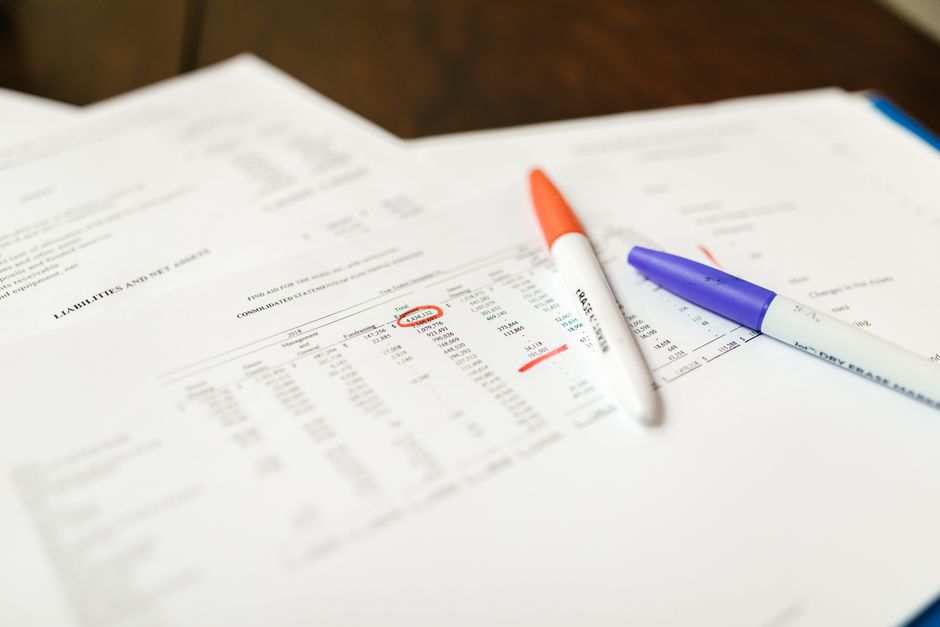
Most payslip problems come from stale payroll information. The mistake may be small for one month but expensive if it repeats for a year. Use this failure-mode checklist before contacting payroll.
Common errors to catch
- Wrong tax code: a new job, second job or taxable benefit may have left HMRC with incomplete information.
- Wrong salary or hours: compare basic pay with your contract and approved timesheet.
- Missing overtime: check the payroll cut-off date because approved hours may fall into the next period.
- Incorrect pension rate: compare the payslip percentage with your scheme confirmation.
- Duplicate deduction: look for two lines covering the same student loan, benefit or union fee.
- Wrong NI category: age, apprenticeship status or a payroll change can affect the calculation.
When to escalate
Ask payroll for a written breakdown when a changed deduction has no explanation, when gross pay does not match your contract, or when a correction repeats for two pay periods. Contact HMRC about the tax code, not about your employer’s salary calculation. Contact the pension provider when money appears on the payslip but does not reach the pension account after the normal payment window.
Do not opt out of a pension just because one payslip looks disappointing. First establish whether the deduction is wrong, whether tax relief applies and whether you would lose an employer contribution. Opting out may fix this month’s cash flow while giving up valuable long-term pay.
