Why the weekly shop gets expensive before checkout
The biggest food-saving win happens before you enter the supermarket. A clear meal plan reduces three costs at once: impulse purchases, unused ingredients, and last-minute takeaway meals. The goal is not to buy the cheapest item in every aisle. It is to make each pound cover a meal that someone in your household will actually eat.
The real problem is unplanned choice
A supermarket gives you thousands of possible meals, but a household usually needs only seven breakfasts, seven lunches, and seven dinners. Without a short list, every offer looks useful. You buy ingredients because they are discounted, then buy more food later because the first set does not form a complete meal. That is how a low unit price turns into a high weekly total.
Use a simple weekly budget formula
Start with a fixed food budget for seven days. Split it into three parts: around 70% for planned meals, 20% for flexible ingredients such as fruit, milk, and bread, and 10% for price changes or one small treat. If the budget is £60, that gives you £42 for meals, £12 for flexible food, and £6 for margin. This structure protects the budget without making the plan so strict that one change ruins it.
The best weekly shop is a small operating plan, not a test of willpower. It should tell you what to cook, what to reuse, and what not to buy.
How to build a cheaper seven-day meal plan
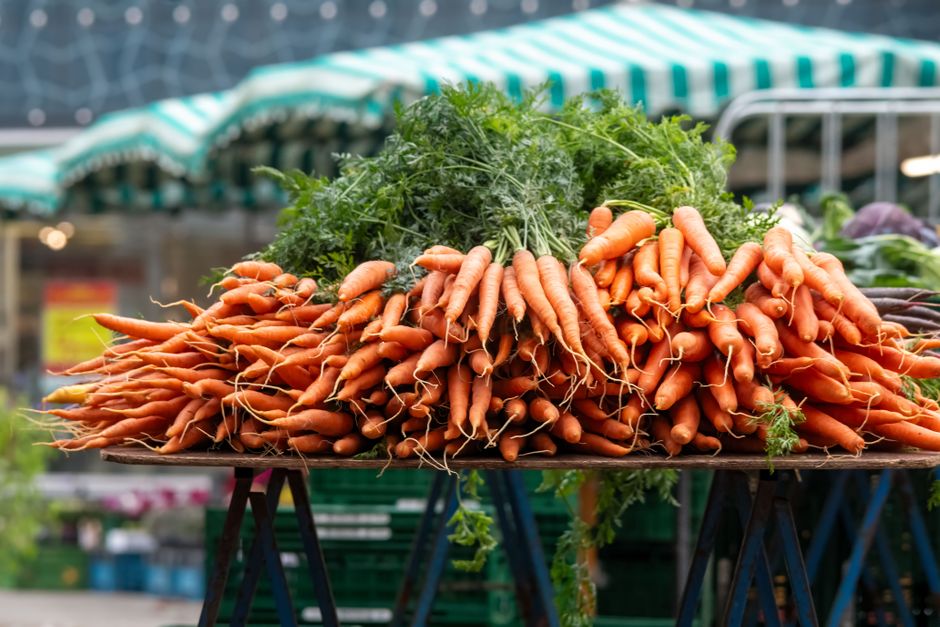
Plan around ingredients that can appear in two or three meals. This cuts waste and shortens the shopping list. A roasted vegetable mix can become a dinner side, a lunch filling, and a soup base. Cooked rice can support a stir-fry one night and a rice bowl the next day.
- Choose five main dinners, not seven. Leave two nights for leftovers, frozen food, or a simple meal made from what remains.
- Pick one main protein for two meals. Beans, eggs, lentils, chicken, and tinned fish can all work, depending on dietary needs.
- Write down the exact amount needed. One 500g pack is not a saving if the recipe uses 150g and the rest spoils.
- Check the cupboard and freezer before shopping. Cross off rice, pasta, spices, tins, and frozen vegetables already at home.
- Give every fresh item a job. If you cannot name the meal that will use it, leave it on the shelf.
Build around one cooking session
Choose a batch-cook meal that improves after a day in the fridge, such as chilli, curry, soup, stew, or tomato pasta sauce. Portion two servings for the next day and freeze the rest if you will not eat it within three days. This protects money and time, which matters because a tired evening is when an unplanned takeaway can erase a week of small savings.
Use a substitution rule
Before buying an ingredient, name a cheaper substitute with the same job. Fresh herbs can become dried herbs. A branded sauce can become tinned tomatoes, garlic, and seasoning. A premium cut of meat can become lentils, beans, eggs, or a smaller amount of meat mixed into a larger dish. The rule keeps the recipe flexible without forcing random swaps that change the meal completely.
Which own-brand swaps cut the bill?
Use the table as a starting point for a 2026 price check. These are practical price ceilings for planning, not promises that every branch will charge the same amount. If the shelf price is higher, compare the pack size and unit price before deciding.
| Own-brand item | Pack size | Planning price ceiling | Useful swaps |
|---|---|---|---|
| Asda Just Essentials Porridge Oats | 1kg | £1.25 | Breakfasts, flapjacks, crumble topping |
| Aldi Everyday Essentials Penne | 500g | £0.41 | Pasta bake, tomato pasta, cold lunch |
| Tesco Stockwell & Co Chopped Tomatoes | 400g | £0.55 | Chilli, soup, pasta sauce |
| Sainsbury’s Stamford Street Baked Beans | 400g | £0.55 | Toast, jacket potatoes, bean chilli |
| Morrisons Savers Long Grain Rice | 1kg | £1.25 | Curry, rice bowls, fried rice |
Compare unit price, not pack drama
A larger pack usually costs less per 100g, but only if your household will use it. Compare the price per 100g or per kilogram on the shelf label. A 1kg bag of rice is a strong buy for a family that eats rice twice a week. It is poor value for one person who cooks it once a month and throws away half the bag.
Choose the own-brand tier that matches the food
Use the lowest tier for basics where texture and flavour are easy to improve with seasoning. Pasta, rice, oats, flour, sugar, tinned tomatoes, and beans are good starting points. Pay more when the ingredient is the main feature of the meal or when a cheaper version creates waste because nobody will eat it. The clear verdict: start with five staple swaps, then expand only after they prove useful.
The best swap is the one your household will actually use
Make staples cheaper first, then review convenience foods. Cutting £2 from rice, pasta, oats, and tinned food every week is more reliable than chasing a different special offer each time you shop.
When the cheapest option wins
Buy the lowest-priced own-brand version when the ingredient is interchangeable and stored well. Tinned tomatoes, dried pasta, rice, oats, flour, frozen peas, and kidney beans rarely need a premium label for everyday cooking. Add flavour with onion, garlic, stock, spices, cheese, or a small amount of meat rather than paying extra for a branded base.
This also works for planned bulk cooking. If a pot of chilli uses two tins of Tesco Stockwell & Co tomatoes and one tin of Sainsbury’s Stamford Street Baked Beans, the meal can feed several people at a low cost. The saving comes from the whole dish, not from pretending a single tin is a complete dinner.
When not to make the swap
Do not switch if the cheaper product causes rejection, allergic risk, or extra waste. A family that refuses the lowest-priced baked beans has not saved 20p. A person with coeliac disease must check the label rather than assume a cheaper version is suitable. A household with limited storage should avoid oversized packs even when the unit price looks excellent.
Brand loyalty can also be rational for one or two foods. The right question is not whether the item is branded.
What are the common supermarket mistakes?
The same errors appear in many food budgets. They are simple to fix once you identify them.
Should you shop from a recipe list?
Yes, but use a meal plan first. Shopping from individual recipes can leave you with five different sauces, herbs, and half-used vegetables. Combine recipes around shared ingredients and check quantities before buying. A list based on meals is more useful than a list copied from seven separate recipe pages.
Are multi-buy offers always cheaper?
No. A two-for-one deal only saves money if you would have bought both items and can use them before they spoil. Compare the offer price with the own-brand single item. For fresh food, a smaller pack at full price can cost less than a larger discounted pack that ends up in the bin.
What should you do when the price is higher than planned?
Use a swap ladder. First, choose a lower-priced own-brand tier. Next, change the pack size. Then replace the ingredient with one that serves the same cooking purpose. For example, use lentils instead of part of the mince in a chilli, or frozen vegetables instead of fresh vegetables for a soup. Do not quietly add the difference to the basket and hope the total works out.
Keep the receipt for one month and write down three items that were wasted. That small record often exposes the real leak: too much fresh produce, duplicate cupboard food, or weekday convenience spending.
What should a £60 weekly food plan look like?
Set the budget before choosing extras
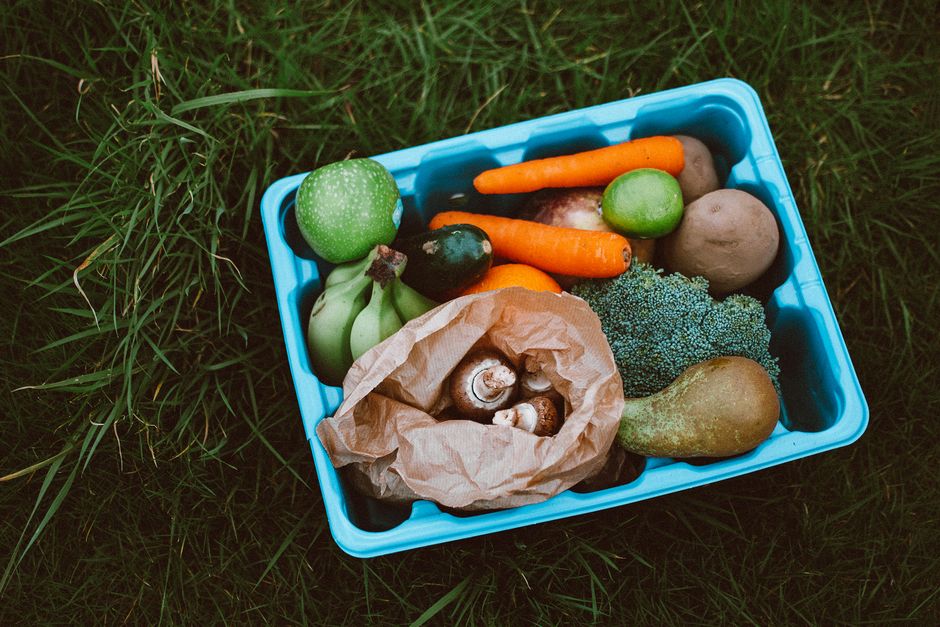
Reserve about £34 for the main meal ingredients, £12 for breakfast and lunch basics, £8 for fruit, milk, and bread, and £6 for snacks or price changes. A basket built around Asda Just Essentials Porridge Oats, Aldi Everyday Essentials Penne, Morrisons Savers Long Grain Rice, tinned tomatoes, beans, eggs, frozen vegetables, and one protein can cover a surprising number of meals. Keep the product list short enough to use completely.
Choose swaps by cooking role
For a pasta night, use Aldi Everyday Essentials Penne with Tesco Stockwell & Co Chopped Tomatoes and frozen vegetables. For a jacket potato or toast meal, use Sainsbury’s Stamford Street Baked Beans. For a rice bowl, cook one batch of Morrisons Savers Long Grain Rice and add eggs, beans, or leftover vegetables. These are not glamorous meals, but they are repeatable, filling, and easy to adjust when prices move.
The strongest verdict is simple: plan the meals, set price ceilings, and make own-brand swaps in the staple aisle first. Keep the few branded foods that prevent waste or convenience spending. That combination lowers the bill without turning food shopping into a weekly punishment.
Rates, terms, and eligibility requirements are subject to change. Always compare multiple lenders and consult a licensed financial advisor before borrowing.