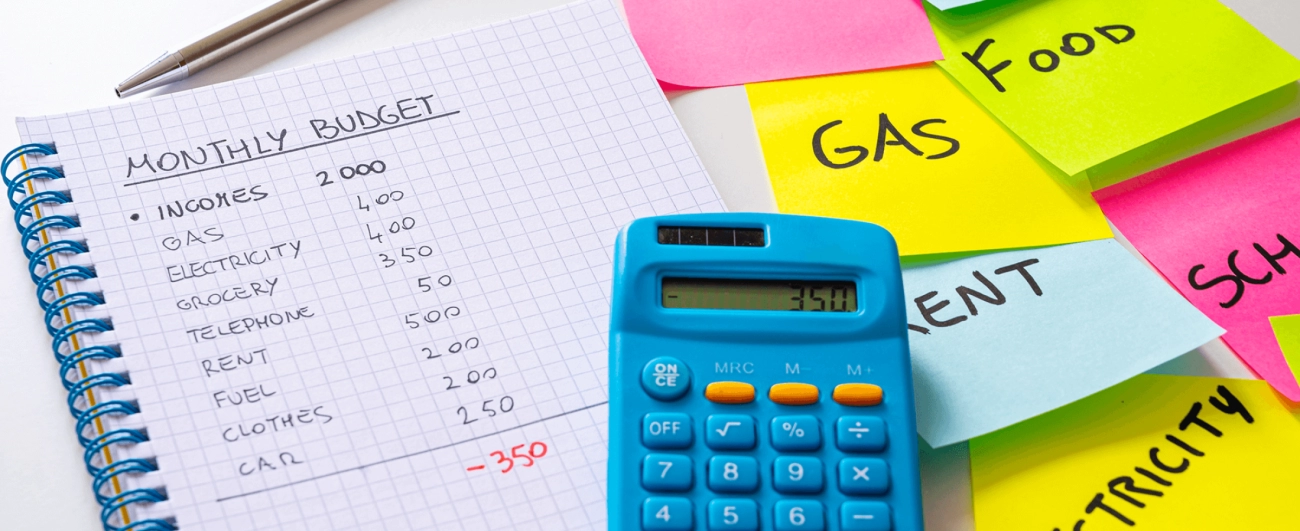
If you’re still budgeting the old-fashioned way — waiting to save what’s left after all your bills hit — you’re stuck in the same trap that keeps most Americans living paycheck to paycheck. Here’s the kicker: treating savings as a fixed expense — just like rent or utilities — flips the entire game on its head. It’s not optional. It’s non-negotiable. The Budgeting Philosophy of Treating Savings as a Fixed Expense is the single best mindset shift that separates the broke from the wealthy, the anxious from the confident. By paying yourself first, you automate wealth-building, crush lifestyle creep, and finally take control of your financial future. Ready to learn why it works and how to make it your new reality? Let’s get started.
Why Most Budgets Fail: Parkinson’s Law and Lifestyle Creep
Let’s be honest—most budgets fail because they aren’t designed to fight human nature. Enter Parkinson’s Law, which states that expenses tend to rise to match income. You get a raise, and suddenly, your spending balloons to fit that bigger paycheck. This sneaky creep is called lifestyle creep, and it’s the silent assassin of savings.
Here’s a hard truth: 78% of Americans live paycheck to paycheck, and that includes many high earners. You might be thinking, “That’s on them, not me,” but lifestyle creep hits everyone eventually if you don’t have a strategy.
Why? Because bills feel urgent—they want your attention NOW. Meanwhile, building wealth? That feels optional, vague, and something for “someday.” It’s easy to pour your money into immediate needs and temptations while your long-term goals quietly gather dust. This emotional trap keeps you stuck, scrambling each month with no real savings cushion.
If your budget treats saving like an afterthought—something you do if anything’s left—you’re playing a losing game against Parkinson’s Law and lifestyle creep. It’s time to flip the script.
What “Treating Savings as a Fixed Expense” Actually Means
Treating savings as a fixed expense means putting money aside for your future just like you pay your rent or utility bills each month. Instead of saving only what’s left over after all other spending (which often ends up being nothing), you pay yourself first—making your savings non-negotiable.
Here’s a simple way to think about it:
Expense Type
When You Pay It
Example Amount
Rent
Fixed monthly bill
$1,000 due on 1st
Savings Transfer
Fixed monthly expense to savings
$500 on 2nd
You treat the savings transfer like a bill you must pay, not just a leftover amount.
This idea comes from the “Pay Yourself First” principle, popularized in George Clason’s classic, The Richest Man in Babylon. The concept is clear: your wealth grows fastest when you prioritize saving before spending on anything else.
Since then, many personal finance experts have updated and expanded on this idea:
Profit First by Mike Michalowicz applies this to business owners by treating profit as a priority expense.
Conscious Spending Plan from Ramit Sethi encourages focusing your spending on what matters most while automating savings.
The Automatic Millionaire by David Bach emphasizes setting up automatic transfers so savings happen without you even thinking about it.
All these approaches share one common thread: automating savings as a regular, fixed \”bill\” builds wealth steadily and removes the guesswork and willpower struggle. It’s a proven, simple way to turn saving into a habit that sticks.
Proven Benefits Backed by Data and Real Life
Treating savings as a fixed expense isn’t just a nice idea—it works, and here’s why.
Compound Growth in Action
Putting $500 aside every month at an 8% annual return looks like this:
Years
Total Saved
Estimated Value (8% growth)
10 years
$60,000
$89,570
20 years
$120,000
$242,726
30 years
$180,000
$516,954
The magic: The longer you stick to fixed savings, the faster your wealth grows. Compound growth accelerates your money, turning small, regular amounts into serious long-term gains.
Automation Beats Willpower
Behavioral science proves automatic savings removes the need for constant decision-making. When you “pay yourself first,” money moves without you having to think about it. This cuts out procrastination and temptation, making savings effortless.
Real Life Wins
FIRE community: People retire decades early by automating high savings rates.
Millionaires Next Door: Most built wealth by consistently saving a fixed portion of income, regardless of lifestyle upgrades.
Tech employees in their 30s: Many achieved early retirement by treating savings like a mandatory monthly bill.
Bottom line: Automating savings as a fixed expense isn’t just smart—it’s proven to build wealth faster and last longer.
How to Implement It Step-by-Step
Putting the pay yourself first budgeting method into action is simpler than it sounds. Here’s the exact system to make savings a non-negotiable, fixed part of your money routine.
1. Calculate Your True Savings Rate Goal
Aim for a savings rate between 15% and 50%, depending on your age, income, and financial goals. Younger earners might start lower and ramp up, while those targeting early retirement may shoot for the higher end. This includes all forced savings: retirement accounts, emergency fund contributions, and investment transfers.
2. Reverse-Engineer Your Lifestyle
Once you set your savings rate, plan your spending around what’s left. Instead of budgeting expenses first and hoping to save after, prioritize savings and adjust your lifestyle to fit the remaining cash. This helps prevent lifestyle creep and keeps your wealth-building on track.
3. Automate Transfers Right After Payday
Set up automatic transfers the day after you get paid. Automation is key—it removes willpower from the equation and ensures your savings happen consistently.
Ally Bank, Capital One 360, Vanguard, Fidelity, and most online banks offer easy transfer setups.
Automate transfers to different accounts, so your savings flow is steady and organized.
4. Use a Sub-Accounts Strategy
Split your savings into specific buckets to cover different needs and goals:
Emergency Fund: Your safety net for unexpected expenses.
Short-Term Savings: For big upcoming purchases or vacations.
Retirement: 401(k), IRAs, or other tax-advantaged accounts.
Investments: Brokerage accounts or other growth-focused funds.
This clear division keeps your money purposeful and less tempting to dip into.
5. Leverage Tools & Apps for Easy Management
Use apps designed to remove budgeting headaches with automation and smart rules:
YNAB alternative: Helps you prioritize your spending after savings.
Monarch: For comprehensive tracking and goal setting.
Empower Auto-Savings: Automatically moves small amounts to savings.
Bank features like “round-up” options plus manual transfer rules to boost forced savings.
Together, these steps build a strong, automatic savings plan that keeps you on track—making your wealth-building habit effortless over time.
Common Objections and How to Crush Them
“I can’t afford to save 20% — I’m barely covering bills”
Start small. Even saving 1% is better than nothing. Then, look for ways to cut costs ruthlessly—review subscriptions, eat out less, negotiate bills. Side hustles or freelance gigs can boost income, making it easier to raise that savings rate over time. The key is to pay yourself first no matter how small the amount.
“What if an emergency happens?”
Before ramping up your savings rate, build a mini-emergency fund—about $500 to $1,000—to handle surprises. This stops you from raiding your savings and going off track. Treat this emergency stash like a fixed expense too, so it grows automatically.
“I feel guilty paying myself before creditors”
This is a mindset issue. Think of savings as a bill you owe yourself. Bills feel urgent because of deadlines, but building wealth is just as important. The “pay yourself first” philosophy means you\’re prioritizing your future stability. Reframe it: paying yourself first ensures you won’t end up relying on creditors tomorrow.
By addressing these common doubts with simple, practical steps, saving becomes less intimidating and more doable.
Advanced Tactics for Power Users
Once you’ve nailed the basics of treating savings as a fixed expense, it’s time to level up with some advanced strategies.
1. Tax-Advantaged Accounts Order
Maximise your savings by following the right order:
Start with your 401(k) match—it’s free money from your employer, so don’t skip it.
Next, fund your Health Savings Account (HSA) if you have one—it’s triple tax-advantaged.
Then move to a Roth IRA or traditional IRA depending on your tax situation.
After that, boost taxable investment accounts.
This sequence helps you build wealth efficiently while reducing your tax bill.
2. Use Credit Card Float Strategically
If you pay your credit card balance in full each month, you can use the “float” (the time between purchase and payment) as short-term, interest-free leverage. This means your money stays in your savings or investments longer, earning more in the meanwhile. Just don’t carry a balance or you’ll lose on interest.
3. Quarterly “Profit First” Distributions
If you run a small business or freelance, try the Profit First method by Mike Michalowicz: set aside your “profit” savings every quarter. Instead of paying yourself last, you pay yourself first—on a regular schedule—helping you avoid lifestyle creep and reinvest systematically.
4. Gradually Increase Your Savings Rate
Boost your savings rate annually with these painless hacks:
Automate a tiny percentage increase each year (like 1%) so it barely impacts your budget.
Use raises or bonuses to grow your savings instead of spending more.
Keep lifestyle inflation in check by consciously spending less and saving more.
By implementing these advanced tactics, you build a powerful system that forces savings and grows your wealth automatically, all while preventing lifestyle creep. Automation beats willpower every time!
Real-Life Examples & Success Stories
Seeing how real people use the pay yourself first principle helps make the idea stick. Here are a few stories from well-known voices and everyday savers, showing how treating savings as a fixed expense changed their lives.
Name / Source
Strategy Used
Result
Key Takeaway
Mr. Money Mustache
Aggressive savings, lifestyle creep prevention
Retired in his 30s, financial independence
Save early and cut expenses smartly
ChooseFI Podcast Guests
Forced savings strategy, automation
Many retired early or built strong passive income
Automation beats willpower every time
Reddit r/financialindependence
Reverse budgeting, 20%+ savings rate challenge
Thousands achieving FIRE (Financial Independence, Retire Early)
These examples prove one thing: when you treat your savings like a fixed bill, you build wealth automatically and prevent lifestyle creep from eating up your earnings. It’s not about being rich; it’s about being smart with how you pay yourself first.
Frequently Asked Questions
Is treating savings as a fixed expense the same as the 50/30/20 rule?
Not exactly. The 50/30/20 rule suggests dividing your income into 50% needs, 30% wants, and 20% savings or debt payoff. Treating savings as a fixed expense means prioritizing your savings first—like a bill you must pay—before spending on anything else. It\’s more about forcing discipline by paying yourself upfront, rather than budgeting leftover money.
Should savings include debt payoff?
It depends on your goals. Paying off high-interest debt is a form of forced savings because it reduces what you owe and saves you money in interest. Many treat debt payments, especially above the minimum, as part of their “savings” strategy. But it helps to separate emergency or investment savings from debt payoff mentally, so you keep building wealth while eliminating debt.
What if my income is irregular?
Start by setting a modest fixed savings amount based on your lowest expected income. Automate transfers when you get paid and increase the amount when money flows in. Tools like the reverse budgeting method help by covering essential expenses first, then allocating any extra to savings. Flexibility is key—saving consistently, even small amounts, beats nothing.
How much should I save if I’m over 50?
Ideally, aim for at least 15–20% of your income, but this varies based on your retirement goals and current savings. If you’re behind, focus more aggressively on tax-advantaged accounts like 401(k)s and IRAs. The “pay yourself first” budgeting philosophy still applies—treat savings as a fixed expense and adjust your lifestyle to fit what’s left. It’s never too late to start.